
After the Laughter, Then What
by Norman Franklin
There’s a funny thing about comedy. It speaks the universal language of laugh ter. It lowers our defenses and allows truth to slip into the moment. The truth is relative. For some it comforts—the humor affirms that life is normal. For others, humor carries a message of systemic contradictions—things are not okay. The truths agitate against our comforts with the status quo.
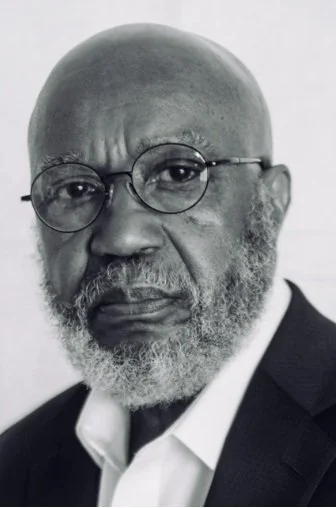
Norman Franklin
Standup comedians have the liberty to deliver their routines unrestrained. Sit coms perform on a different platform. Theirs is prime time television. It’s family time. The workday is over. The homework is finished. It’s time to relax, wind down and enjoy entertainment. It must affirm that life is good and comforts their audience’s inherited social identities. The systemic contradictions of their ideal society are temporary disruptions. The family is gathered for a good laugh before bedtime. Comedy with a narrative of social agitation makes the laughter uncomfortable.
Comedy has been the delivery system for political satire, racial ridicule, and systemic contradiction for centuries. Slapstick routines performed in “black face” and early twentieth century minstrel shows ridiculed Black Americans. The inept characters and “blackface” caricatures gave comfort to the narrative of white superiority.
In the modern era of television, sit coms bring the message of laughter to our living rooms. But even laughter cannot escape the social dynamics of America. The dichotomous lens that filters everything through a racial divide— Black and white restrains the voices of advocacy. It comforts the normative with the affirming voice that everything is alright. There are a few bumps that time will heal.
That’s the pattern of the message portrayed by sitcoms.
During the 60s when social agitations were at their peak, white sitcoms portrayed life innocently within a cocoon. The dad worked. The stay-at-home mom with immaculate hair and high heeled shoes always had the evening meal prepared. The Cleavers lived oblivious to the social upheavals of the 1960s —gee Beav.
Sheriff Taylor of Mayberry, Barney, Aunt B and Opie was exceptionally serene and innocent. The town and the era were cocooned in the ideology of whiteness. The setting was in the South during the 60s. There were lunch counter sit-ins to demand equal service. There were freedom riders from north ern cities. They came to assist with voter registration. Some were murdered. The memory of the lynching of Emmett Till still singed the national psyche. But life in Mayberry was unruffled by the rumblings of social change. The narrative centered on the simple life of a small town in America. A Black char acter once appeared in a scene. It was patriotic. He was standing in the line to enlist in the Army. Mayberry is one of America’s favorite syndicated sitcoms.
Happy Days introduced the Cunning ham family living in the post-war boom of white middle-class America. The economic lift gained from the GI Bill was implicit. There were no agitations. Everything is normal. An occasional adolescence conflict that provided the platform for a moral lesson. There was not a hint of the tectonic shifts in the social foundation erupting.
This was the message of white sit coms. The laughter was a comfort. Our lives, our society, our social structure is good. Systemic injustices are disruptions that will subside over time.
The laughter across the tracks car ried a different message. Good Times and Sanford and Son, also sitcoms of the 70s lowered the defenses of America. It allowed systemic realities to be portrayed within the narrative of our normal strivings. The Evans family lived in the crime-ridden public housing project in Chicago. It was a high rise. Floor after floor of families striving in abject poverty. We laughed. The cantankerous Fred Sand ford was a businessman in Watts. The father and son operated a junkyard. Their entrepreneur status was a step up from the welfare dependent Chicago family.
It was light agitation against the social constructs that cultivated the injustices. We wanted recognition of the issues. We looked for changes to result. We just laughed. Nothing changed. It is safe to say that Black sitcoms leveled up their message in the last decade of the twentieth century. The agitation became more issue oriented in the second decade of the twenty-first century.
Two sitcoms figure prominently. These portrayed upper middle class Black families. Both cast traditional families. The parents were accomplished professionals. The children —teens and pre-teens with normal growing pains. Each carried their own advocacy mes sage. The Cosby’s became America’s family. The message was inclusive— black culture and white cultures seamlessly interacted, yet black culture retained its autonomy. The storylines gave glimpses of the Black struggles.
The children gathered around the adults as they shared the history of the Civil Rights era. The adults reminisced. The children learned of the dismissed history not taught in their school’s cur riculum. Accomplished artist, actors and cultural icons portrayed Black life as overcomers. There were awe-inspired reflections of the journey, the resilience of the struggle and the commitment to systemic changes. America laughed — we all laughed together. It was soft, safe agitation.
I saved the best for last. Black-ish broke the mold. It stretched the bound aries of commodified primetime media restraints. Black-ish wove agitation, advocacy and systemic contradictions as the central narrative engine of each episode. The sitcom aired for 8 seasons —2014 to 2022. The engine of agita tion through familiarity was effectively used. The humor rooted in everyday life entered our living rooms without triggering rejection. The sitcom consistently exposed police violence, race and identity, assimilation versus cultural retention, colorism and political division, and wealth gaps within Black America.
Black-ish raised the bar for Black sitcom agitation. They didn’t just give reference to the contradictions. They structured the entire narrative around them. This allowed greater exposure of systemic problems. It shined a floodlight on our society’s comfort with systemic injustices as normal.
We are still laughing. We want things to change. But we can’t keep laughing without conviction.