
After Trust: Stress, Suspicion, and the Open Question of a Divided America
by Norman Franklin
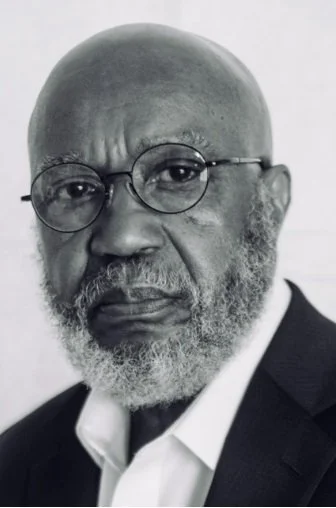
Norman Franklin
History rhymes. These may not be unprecedented times. Political stress, the polarization, and the erosion of trust are preludes to a democracy fraying. Our democracy has been stress-tested before. The current conditions, which often border on dysfunction, evolved over two centuries. The denial of causation for inequitable conditions, denial of factual data, and the aversion to fixing structural fractures make us vulnerable to repeating past mistakes.
How we respond to the lessons history teaches us will determine the sustainability of this democratic experiment. There are historical patterns revealed—the political stress, the trust deficit, and the polarization—lessons to apply that will enable successful navigation through this iteration of history.
Trust is the strength that undergirds America. It begins to erode when the unresolved tension between America’s stated ideals and its actual conduct triggers social unrest. History exposes the pattern. In the 1850s, the question of chattel slavery bred distrust between the Northern and Southern regions. Distrust, greed, and regional agendas determined to achieve economic dominance took precedence over rational discourse. The opposing regions yielded to the pervasive power of distrust and self-interest. The Civil War resulted.
In the 1890s, trust broke in institutions. Political machines—the party in control—traded favors for votes. Trusts—a mechanism which allowed companies to act collectively—formed monopolies that afforded competing companies to combine under one control ling entity. And the press favored sensationalism over the integrity of accurate, investigative reporting.
Oil companies, the steel industry, and the railroads were able to dominate their industries. They crushed competition, fixed prices, and purchased legislators. The indistinguishable boundary between wealth and government was the source of distrust in that era. The Sherman Antitrust Act was the congressional response. Enforcement was anemic.
Through the 1960s, 1970s, and into the present, trust in government has ebbed and flowed. It plummeted during the turbulent 1960s, then recovered to an arm’s-length trust through the remaining decades of the twentieth century. When what undergirds the foundation loses its structural integrity, the entire system shows stress fractures. Trust in government is at low tide. The governing infrastructure is an extravaganza of distrust. The courts, the legislature, and the Oval Office weave a tangled web of dubiety. Political stress and a polarized House and Senate are the picture of a government afraid to trust. Can a nation function on distrust?
Trust is the essential element that holds the nation together. When it begins to weaken, political stress, partisan bickering, polarization, and the integrity of the news media are like dominoes set in place, one fall away from setting the others in motion. The news media is the spotlight that reveals the workings of government, business and society to the American people. It is the gatekeeper of truth and a guardian against misinformation.
Trust is eroded when the lines between factual reporting and kowtowing to political influence, wealth, and power become blurred. The fake news rhetoric has framed the media as suspect. The result is cynicism. The American people must filter misinformation, disinformation, and propaganda to find the truth. When the news media favors loyalty over facts and promotes celebrity politics it breeds distrust.
The nation suffers from truth fatigue and a disengaged populace. Is there any who can be believed? Americans have lost trust in one another before. We stopped believing the government but remained loyal to the news media. The news media has lost its integrity. The question now is not who to trust, but whether anyone remains to ask is this true and reliable information.
Can we believe what we see and hear? Who is leading? Who is influ encing the decisions made that affect our daily lives? What are our options?