
Are AI Data Centers Excluded from Environmental Review? Nationwide Cases Suggesting They Are - Is Buffalo Next?
by Christin Bratton

Christin Bratton
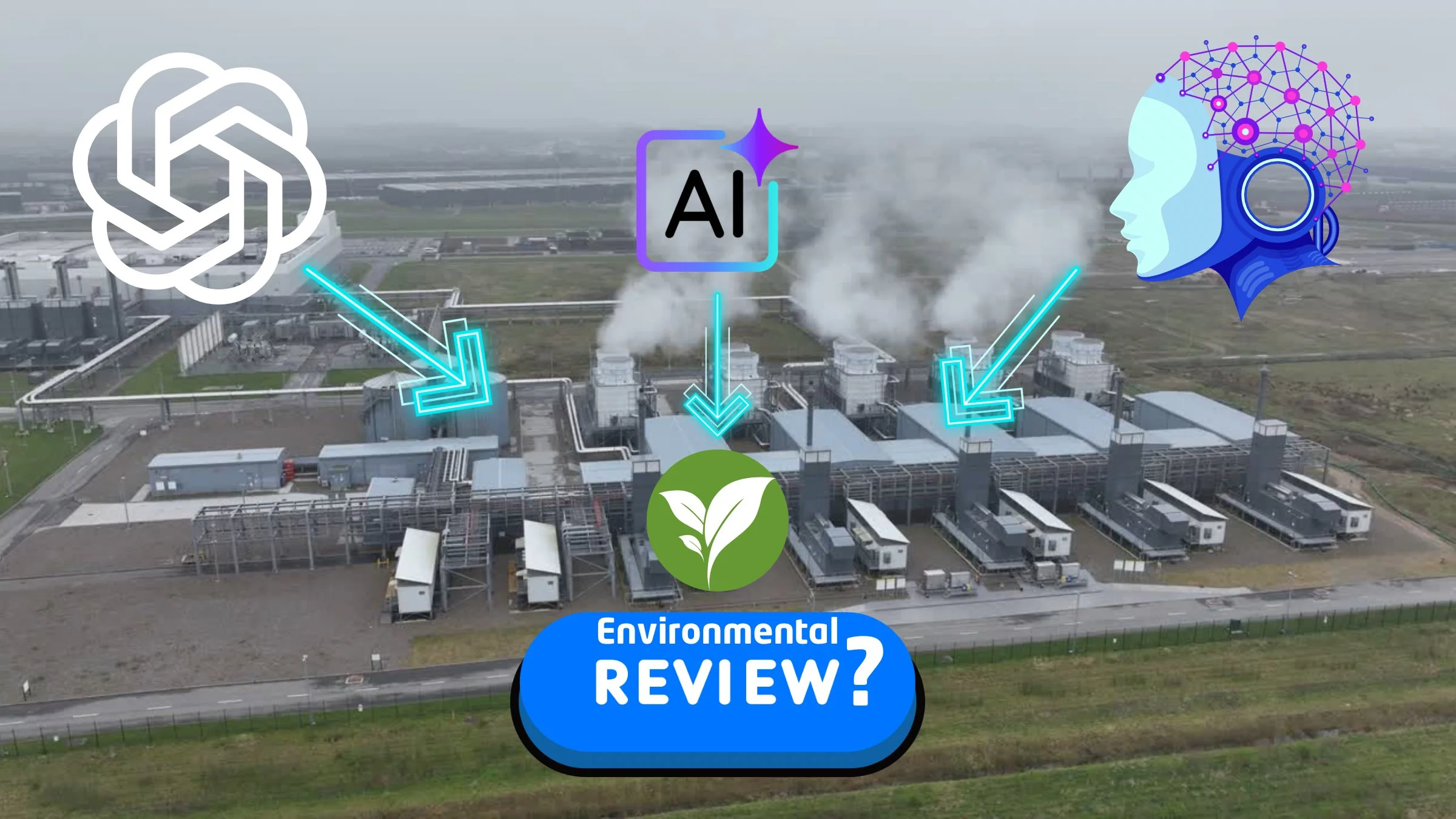
Artificial Intelligence data centers have been appearing across the United States at what seems like an overnight pace. Since 2022, during the rise of ChatGPT, the construction of data centers has continued to expand nationwide to support the growing demand for AI integration in technology, consumer households, software, and corporate workflows. However, with any new construction project, some form of environmental review typically must be conducted under the National Environmental Policy Act of 1970 (NEPA). This process helps ensure development does not violate state and federal environmental laws and that species, water systems, air quality, and, until recently through current administrative executive orders, environmental justice concerns are considered before construction begins.
If federal and state requirements establish environmental standards, why do some companies appear able to fast-track this process, particularly Big Tech AI data centers? The question for this week is whether these large data centers receive exemptions from undergoing environmental review and, if so, what allowances contribute to their ability to move projects forward so quickly.
CEOs and officials often appear to ignore or downplay the real and potential harmful effects these data centers have on the environment, wildlife, human health, and quality of life. Concerns include respiratory issues from air pollution, increased energy bills, higher taxes, water exploitation, and water loss for farmers who rely on those resources for food production. Wildlife is also affected because construction can compromise habitats and create chain reactions within ecosystems through land loss, resource exploitation, and noise pollution.
Independent documentaries and interviews have highlighted the realities of living near a data center. Michigan, California, Tennessee, Indiana, Georgia, Milwaukee, North Dakota, and Missouri are among the states where residents have documented these concerns.
Some of the federal and state laws commonly reviewed during environmental assessments include the Endangered Species Act, National Environmental Policy Act, Clean Water Act, Clean Air Act, executive orders, and other state policies and procedures. Agencies frequently involved in these reviews include the Army Corps of Engineers and the United States Fish and Wildlife Service, among others.
In St. Charles, Missouri, an unnamed Big Tech company withdrew its application for an alleged secret data center construction project known as “Project Cumulus.” During a recorded statement, the company spokesperson explained the withdrawal by stating they wanted to “strengthen the communication that we have with this council and the public with what we are trying to do and we think that if we get this information out, it would benefit this process.” The withdrawal appears temporary while the company seeks an alternative way to move the project forward and address concerns over transparency despite public backlash. Festus, Missouri, experienced a similar situation in which council members and the mayor were reportedly removed following controversy surrounding a hidden deal tied to a $6 million project.
This $8 billion project had already been approved by the council, despite concerns that the costs may outweigh the potential benefits. After reviewing the Environmental Protection Agency’s current Environmental Impact Statement (EIS) database, there were no records of pending assessments for several of the states discussed here. Possible explanations include projects never being formally considered, recorded, or assessed, the use of categorical exclusions (CATEX) under NEPA, state-level exemptions intended to promote economic development and AI expansion, or situations where no federal oversight, permitting, or authorization was required.
In Coweta County, residents filed lawsuits after county officials allegedly ignored or intentionally disregarded local procedural rules and zoning ordinances during the approval of new data centers. Homeowners argued the projects would significantly reduce both property values and quality of life.
During a council meeting in Fargo, North Dakota, one resident asked officials whether any investigation had been conducted regarding the endangered Rusty Patched Bumble Bee, a species now extirpated across much of the Upper Midwest and Mid-Atlantic. A council member responded that no investigation had been conducted because they had not heard about the species until that moment.
Although there have been no recent sightings of the species in North Dakota due to its locally extinct status, the resident’s concern still demonstrated how unfamiliar officials appeared to be with the federally listed species and the potential impacts new construction could create. Council members may not have been directly involved in environmental review procedures, or the species may not be considered locally present.
Regardless, several other factors typically trigger environmental review requirements, including new construction, potential critical habitat overlap, air quality concerns, and coordination with federal agencies. Public records documenting those reviews have not been identified.
AI data centers are being proposed throughout New York State as of 2026. Currently, Buffalo has no mainstream news coverage confirming proposed development projects, although online discussions continue regarding possible proposals.
Given Buffalo’s industrial history and ongoing modernization efforts, developers may view the city as an attractive location for future expansion. However, projects there would likely require consultation with the State Historic Preservation Office and wetland reviews under Executive Order 11990 because of the region’s historic districts, wetlands, Lake Erie, and the Niagara River, which provide freshwater resources often relied upon by data centers.
There are several reasons companies may attempt to avoid portions of the environmental review process. Some companies may seek to avoid lengthy authorization procedures because delays increase construction costs and compliance requirements. Others rely on categorical exclusions under NEPA or benefit from state-level exemptions designed to promote economic development and AI leadership. Concerns over delays and opposition also contribute to the use of non-disclosure agreements, which critics argue reduce transparency and public accountability.
The primary factors influencing whether companies appear excluded from environmental review often involve money, asset ownership, and political or economic influence at the city, state, or federal level. Public opposition and community resistance frequently struggle to create accountability unless residents possess equivalent financial or political influence. While most individuals and smaller entities must comply fully with federal regulations, larger corporations with substantial economic influence often appear to receive greater flexibility in how projects proceed.
References
Redfin Survey on AI Data Centers
Redfin AI Data Center Neighborhood Survey
Environmental Regulations & AI? Look to Data Centers, the 21st Century Brick and Mortar for Big Tech