
Black America’s 2026 Urban Challenges: Mayor Mamdani Case Study
By Dr. Benjamin F. Chavis Jr.
NNPA NEWSWIRE — We are the Black Press of America. For the past 199 years, since the first publication of Freedom’s Journal in New York City in 1827, we have had to call out those who pretended to be our political allies. Accountability from those we help to elect is A fair and just demand.
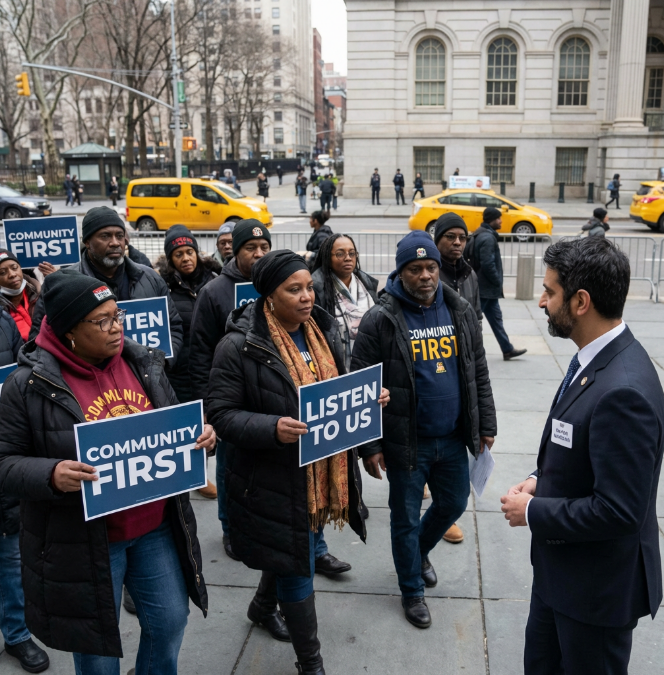
Today, across the United States of America, in some of the largest urban cities, Black Americans are having renewed nightmares about being taken for granted, ignored, and being erased in history and in the public square.
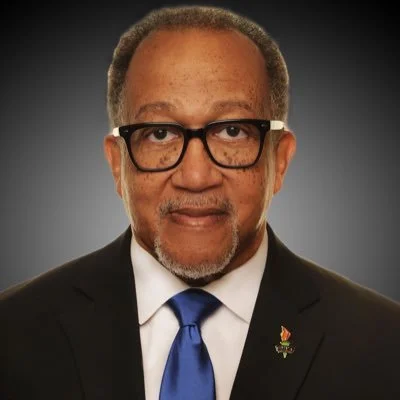
Dr. Benjamin F. Chavis Jr.
Ethnic cleansing is an insidious form of systematic racism. In response to the increasing “Browning of America,” concerns are raised about the unfulfillment of prior commitments intended to ensure racial equality in municipal politics, economics, and urban revitalization.
New York City is the nation’s largest city. The presence and contributions of African Americans to the city’s centuries-long development and evolution are rarely highlighted or saluted. The election of Zohran Mamdani would not have been possible without the huge turnout of African American and Latino voters. Yet the interests of Black America in the nation’s largest metropolis appear to be triaged routinely by the Mamdani Administration.
We are the Black Press of America. For the past 199 years, since the first publication of Freedom’s Journal in New York City in 1827, we have had to call out those who pretended to be our political allies. Accountability by those we help to elect is a fair and just demand.
Voters of color – both Black and Latino New Yorkers – backed Andrew Cuomo heavily in the primary, but then ultimately decided to give Zohran Mamdani a chance: overcoming their skepticism on housing, transit, and public safety, and reportedly moved by his affordability agenda.
This trust, on the part of Black voters in particular, may have been misplaced. Why? Several troubling early signs that the new mayor is disregarding New Yorkers of color and treating them like Ralph Ellison’s iconic Invisible Man.
Mamdani was forced to apologize to Black New Yorkers for overlooking the historical contributions of enslaved and indigenous people to building the city when he talked about a city “built by immigrants” in his inauguration speech.
The Mamdani administration is holding a series of “Rental Ripoff” hearings, spearheaded by Cea Weaver, the director of his Office to Protect Tenants, who called homeownership a form of white supremacy. The mayor is reaching out to help private landlords rather than prioritizing fixing public housing (NYCHA), which has a dismal track record of poor conditions (no heat, year-plus waits for repairs, rampant pests and mold).
The unfolding case study of Mayor Mamdani in New York City reveals that we must keep voting, with record voter turnout. But after the elections, we must hold mayors and other elected officials accountable. Mamdani still has time to ensure greater equity in NYC. But will he do the right thing at the right time?
Rev. Dr. Benjamin F. Chavis, Jr. is President and CEO of the National Newspaper Publishers Association (NNPA) and can be reached at dr.bchavis@nnpa.org
Link to the original article: OP-ED: Black America’s 2026 Urban Challenges: Mayor Mamdani Case Study – BlackPressUSA