
‘Black Wall Street’ Is Coming Back, Baby!
by Betty Jean Grant
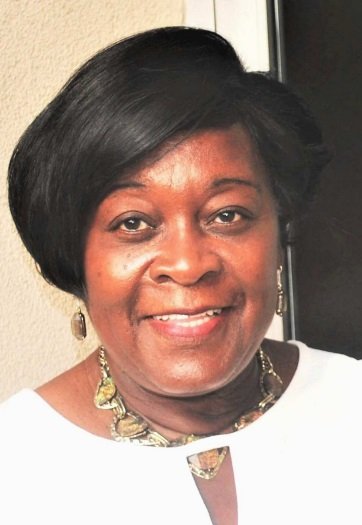
Betty Jean Grant
The Tulsa Race Riots happened in Tulsa, Ok. over a century ago, but people still read about it and wonder how the white residents of the area could have some much hate, anger and jealousy in their hearts. Enough to destroy a section of Tulsa, called Greenwood, a section that was largely inhabited by the city’s African American resident?
A few of the whites used made up charges to falsely accused a black man of raping a young, white women. During the period between 1910 and 1920, many young, innocent black men were lynched or beaten across this country. This incidence of manufacturing bogus charges to steal from or cheat black customers was prevalent across this country during the time when slavery ended.
Black folks, to feed themselves and their families, had to enter into an agreement that the white landowner would provide shelter, seedling and fertilizer to Black families to grow cotton. The black family was charged with gathering the cotton when it became ready to be harvested or picked—known as “share cropping.”
Well, back to the story line. Because the Black folks were forced to live together, they learned to depend on one another, which progressed to a situation whereby any goods or merchandise needed were made and sold within the Greenwood community. This group of resourceful, hardworking citizens traded and bought everything they needed within their own community. Some of the white residents chased the Black citizens out of their home; stole their property and wealth; and burned that neighborhood to the ground! Greenwood or Black Wall Street was no more.
However, this summer, across the city, the lessons learned from emulating the economic practices that made Greenwood, Ok. successful, were being implemented all summer, at the Juneteenth Festival, Masten Jazz Festival, Gospel Fest, Pine Grill Reunion and other festivals in Dr. MLK Park, Ralph Wilson Park, Freedom Park and the famous, thoroughly enjoyable, Friday Night Live on Jefferson Ave. The highlights of Friday Night Live are the various vendors, the all-night line dancing Solar, the MC and the famous chant of a “regular joe.” “We Outside but We in the House!”
The Kwanzaa ‘s Principle of Umoja- Unity, was in full effect this summer. With love, support and economic collaboration, Buffalo could become the next, modern day, Black Wall Street. And, to paraphrase the fun loving, FNL ‘dancing machine,’ “We Outside And Black Wall Street Is Definitely In The House!”