
Blessed Month of Ramadan
by Imam Fajri Ansari Masjid NuMan Buffalo, New York
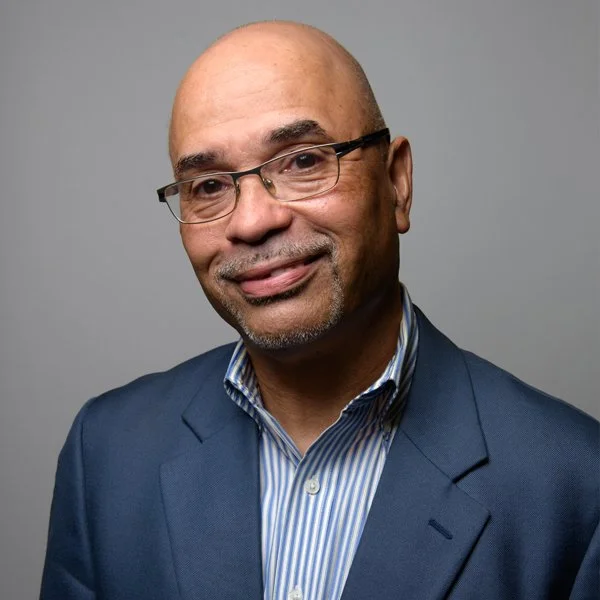
Imam Fajri Ansari
The Blessed month of Ramadan is anticipated to begin on February 18th, 2026, depending on when the new moon is sighted in the hemisphere or region where one lives.
Ramadan is the month of fasting for over 2 billion Muslims worldwide. Because it follows a lunar calendar, the month of Ramadan moves up approximately 10 days each year. Muslims who have reached puberty will fast each day from dawn to sunset, abstaining from all food and drink for 29 or 30 days, depending on the sighting of the next new moon. Muslims are also to abstain from sexual relationships with their spouses and avoid any arguments, fighting, or unlawful behavior. A person can break their fast even if they are not eating or drinking if their behavior is inappropriate or if they are not maintaining peaceful conduct.
Exemptions are made if you are unable to fast because of physical and mental health conditions, women who are pregnant, or on their menstrual cycle. Provisions are also made for those traveling long distances. Days can be made up by fasting additional days missed after the month of Ramadan is complete, or by feeding a needy person for each missed day.
Fasting has many benefits; the month of Ramadan should not be viewed as a vanity project or an opportunity to lose weight, though if one is fasting and eats modestly when it's time to eat, they will lose weight.
The Qur’an was revealed to the Prophet Muhammad in the blessed month of Ramadan. In The Qur’an (2:183) it states, “Fasting has been prescribed for you as it was prescribed for those who came before you that you may learn self-restraint.” Most religions, particularly the Abrahamic faiths, have fasting practices.
The greatest benefit of fasting is having respect and sacred regard for those things that G-d has ordered and for spiritual purity, which is referred to as “Taqwa”. Muslims fast only for G-d, not to please anyone else or to live up to someone else's standards. Only G-d knows whether you are keeping your fast. Each person should make a daily intention to complete their fast.
Fasting during the month of Ramadan allows a person to renew themselves, get closer to G-d, and atone for their sins. In addition to spiritual purity, a person becomes more conscious of their body, or, as other faiths refer to it, their “temple,” by keeping it clean, maintaining good hygiene, and being selective about what they eat.
Muslims are to read 1/30th of their scripture each day to complete all 114 chapters of the Qur’an by the end of the month. Prophet Muhammad (peace be upon him) said that whoever makes their intention to fast the month of Ramadan and completes it will have all their sins of the previous year wiped out.
Muslims are also to perform good deeds and perform acts of charity throughout the month. The month of Ramadan is meant to set the tone for the remaining months of the year. Good deeds and acts of virtue during the month of Ramadan are considered to carry 70 times the normal benefits.
The Qur’an was revealed in one of the nights of Ramadan, and that night, which is referred to as the “night of power,” it states (97:1-5) that observing that night is better than worshipping for a thousand months (or the equivalent of a lifetime).
Ramadan is about practicing discipline and self-control of one’s appetites. Reshaping one’s desires and practicing their best behavior. Warding off enemies, keeping good company with G-d, and spiritual enrichment.
The name Ramadan means "burning" or "intense heat," likened to burning off impurities to achieve self-purification. It is one of 5 key pillars of the Muslim faith: 1. Belief in One G-d who is known by many names, Allah, Yahweh, Jehovah, Elohim, etc. 2. Prayer 5 times a day. 3. Giving charity 4. Fasting the month of Ramadan. 5. Making the pilgrimage to Mecca (for those who can afford to do so). Special prayers called “Tarawih” are offered at night after the final prayers of the day. Traditionally, the 1/30th reading of the day in the Qur’an is recited in sections of the prayers offered. These prayers are usually offered at the Masjid (Mosque) or at home. Although they are recommended for greater spiritual development, they are not mandatory.
At the end of Ramadan, Muslims celebrate one of two annual Holidays called Eid al-Fitr and Eid al-Adha. Eid means recurring happiness. Eid al Fitr is a victory for the individual who has overcome self-control and has returned to his/her original nature. This holiday is celebrated at the end of Ramadan. Muslims will have a special morning prayer and celebrate for three days with a feast, sharing food and gifts with their families, friends, and the needy.
Eid al Adha is the celebration of those who make the annual pilgrimage to Mecca. This is considered the victory of the community or the human family coming together. The pilgrimage to Mecca celebrates Father Abraham's story of faith and his and his son Ishmael's willingness to make a sacrifice for G-d. These two holidays are about 70 days apart, with Ramadan coming first.
We wish all a Blessed Ramadan (Ramadan Mubarak) and continue to pray for better circumstances for all those who are suffering hardships at home and abroad.