
Exceptional Service, Conditional Belonging: The Pattern Beneath American Exceptionalism
by Norman Franklin
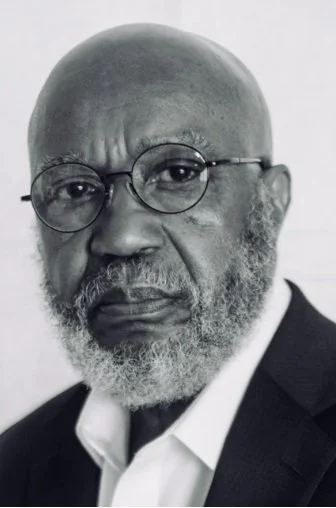
Norman Franklin
Patterns say something about us. Sustained patterns over centuries reveal what beliefs undergird our identity. The pattern says, “this is us.” This is our national identity. As we approach the 250-year celebration of exceptionalism, how patriotism is rewarded speaks volumes about the nation’s unfinished promise.
There is a quiet undertow flowing through the Department of Defense. Military contributions are scrubbed, heroic acts during battle are given a dismissive nod. NPR reported in 2025 that Arlington National Cemetery has removed historical sections about African Americans, Hispanics and females from its website. Gen. Colin Powell and the Tuskegee Airman have been scrubbed from military sites. Thanks for your service.
The pattern is from the same playbook. The call for service. Serve valiantly despite contradictions. Racial hierarchy is status quo. Discharged and moved to the margins of society. From World War I to Vietnam, the tension between service and full citizenship has tacitly become “thanks for serving.” A soldier doesn’t complain. Some veterans serve to fight. Others must first fight to serve. They fight on two fronts—acceptance within the ranks and the enemy on the battlefields.
The Harlem Hellfighters spent 191 days under fire. It was during WWI. Jim Crow was in its heyday in America. They fought racist policies that would deny them wearing the uniform. The White officers refused to command the all-Black 369th Infantry Regiment. The unit was placed under French command. They were among the first American infantry soldiers to arrive in France. They were soldiers. They were fighting men. They gave them pickaxes and shovels. A slap in the face for an infantry regiment.
Here’s another slight on the dignity of the black soldiers. The French needed reinforcements. Gen. John Pershing, commander of the American Expeditionary Forces (AEF) gave the African American soldiers to France. His orders were to maintain the independence and identity of the American forces. AEF headquarters sent a letter to the French forces. The letter advised the French not to eat with the Black soldiers or shake their hands and do not praise their heroics. The AEF was concerned that these acts of acceptance, dignity and equality would inspire aspirations in African Americans which would be intolerable to whites.
Henry Johnson, Lawrence McVey and 169 other members of the 369th were honored with France’s Croix de Guerre. The nations highest military award.
The Tuskegee Airman had to prove themselves worthy of a chance to fight for America. They had to prove themselves in battle. They fought racist ideas on the air bases, in the local pubs and they fought the Germans in the air. The Red Tails, the name given the Tuskegee squadron, escorted bombers to their targets and their return to the base. Their skills gained the confidence of the bomber crews. That led bomber crews to request Red Tail escorts.
The African American has proven to be fierce in battle—ready to serve— patriotism unquestioned. During the Vietnam era, Sec. of defense, Robert McNamara faced a manpower shortage. In the 1960s enlistments were declining. McNamara’s 100,000 would boost enlistments and provide African Americans an opportunity to show their patriotism and make their families and communities proud of their contributions.
The armed forces needed 100,000 new recruits each year. McNama ra’s plan lowered the enlistment standards. The program was framed as a social upliftment initiative. The military could train disadvantaged men, they would gain skills and give opportunities to the poor. Enlist ments under these lowered standards were labeled “new standards men.” The recruits had low literacy levels, lacked educational opportunities, and had minimal preparation for military technical training.
Among officers and troops, among some Black communities the recruits were mocking labeled “McNamara’s Morons.” The program dispropor tionally drew recruits from poor and African American communi ties. Project 100,000 troops suffered higher casualty rates. Many lacked the training for specialized assignments and ultimately served in the infantry. After the war, they suffered higher unemployment rates and low wage job opportunities. The promised social mobility never materialized.
The pattern—conditional belonging. The African American answers the call to defend democracy. What was accepted as an invitation to full belonging has repeatedly been only a convenience in moments when the nation needed bodies more than it needed justice.