
Governance by Distraction, a Tactic of Avoidance of Accountability
by Norman Franklin
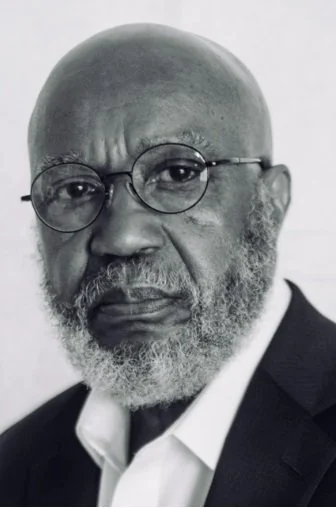
Norman Franklin
Distraction has become the accepted process of governance. The American people have been oriented to it for nearly two years of the Trump administration. Our democracy is in an era of transition. The foundation, the principles, and the infrastructure of democracy are under refinement.
The restructuring is moving swiftly. Distraction obscures where we land after the dust settles. It permanently changes to the way we live, the way we are governed, and the way we enact policies. It plays out in our state and local governments. These adjustments to American life stealthily became our new normal. We had forewarning.
Project 2025, a 900 page document that proffers comprehensive restructuring of democracy, was released in April 2023. The 2025 Presidential Transition Project, outlined in the document, was established by the Heritage Foundation. The document’s thesis is a Mandate for Leadership: The Conservative Promise.
Many Americans— Progressives, Democrats, and those of disassociated interest—failed to take the conservative promise seriously. The swift implementation, in the first month of the new administration, was greeted with jaw dropping incredulity. Distraction ran interference for some of the most drastic and devastating long-term changes to government agencies, departments, and the merit-based federal employment system.
The Department of Government Efficiency (DOGE) was established by executive order on January 20, 2025. DOGE was headed by South African-born Elon Musk. Although DOGE was a department of government, Musk, as department head, did not require Senate confirmation. The White House framed his capacity as a special employee. He was accountable only to the President.
Critics and legal scholars debated the special employee framework. Musk’s sweeping influence and the direct authority he exercised were that of an agency leader. Critics argued that a Senate confirmation should have been required.
A distraction that smoke-screened his accountability.
DOGE exercised government-wide intervention, acted without oversight, and operated without accountability for exaggerated claims and incomplete reports. Musk suggested that he would cut $2 trillion from the federal budget. His premise—finding waste, fraud, and redundant spending. He alleged there was $2.7 trillion in Medicare and Medicaid fraud of improper overseas payments. Additionally, there were 20 million centenarians receiving checks. The exaggerated claims were unverifiable. The hype went ratchet among the—bring government spending under control— conservative camp. I’ll take an essayist’s liberty and call this a distraction.
Amid the hype, USAID, the global aid agency, was decimated. The 6,300 workers terminated or placed on leave led to the functionally dismantling of the agency. The plans for the Social Security Administration included—cuts of 7,000 staff positions and restrict phone based claims while concurrently closing dozens of field offices. Total federal job cuts tracked by Layoffs. fyi aggregate at nearly 72,000. The inflated figures and promotional rollout can’t be substantiated as a distraction mechanism, but they certainly come under review as suspect.
It is speculative whether the administration engineered these distractions or merely capitalized on them, but they may have provided strategic maneuvering around the Epstein files. There is documented evidence of disputes over the handling, redaction, release, and congressional oversight over of the records. The Epstein distraction, the implications of intentional mishandling, and suspicions of cover-up breed distrust. It diminishes the credibility of the governing party.
Distraction fatigue numbs our cognitive perceptions. It blinds our visual acuity to what is playing out before us: our democracy is changing. It is downsizing. It is becoming our new normal. The contractions are rippling through the economic ecosystems that Americans once depended on for their livelihoods.
Governance by distraction does not require us to look away. It only requires that we keep looking somewhere else. The danger isn’t merely distractions; it is what becomes less visible while our attention is elsewhere.