
OJ Simpson: A Black Man Who Wanted to Be Race Neutral
by Betty Jean Grant
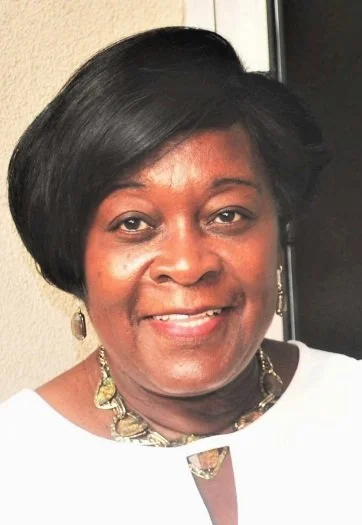
Betty Jean Grant
The fight to keep OJ Simpson’s name on the Buffalo Bills Wall of Fame is a fight against omission and whitewashing. It is to prevent the contribution African Americans have made to the history of making this country the beacon of hope and opportunity from going unrecognized, rather than keeping the name of a great, black football player’s stats. on the wall of a football stadium.
This writer knows about the comment supposedly made by Mr. Simpson: “ I am not Black, I am OJ!” We African Americans know what he meant. He was not trying to walk away from his color; he was trying to fit in that box where his talent made his color irrelevant. We knew that OJ, having been born in a multi culturally diverse state (California), was not exposed to the racially charged, exclusively Black and white confrontations that defined the struggles of Black people to gain equality in the deeply segregated South in the 1960s.
Since OJ Simpson was from California, he probably has never been called the N word or suffer racial expectations— move off the sidewalk to let a white adult or child pass by or avoid eye contact with a white person while they called his 87-year old grandfather ‘boy’ in front of him. OJ probably thought that his fame and money made him transcend his racial birth right and transitioned him from a caste system where fame and fortune superseded race. I guess he, and probably many more before, and definitely after him, will be brought back to the reality that the United States of America still has a Race problem, which has been around since the first enslaved African stepped ashore in 1619.
Many of the negative comments I have read and heard have come from individuals who seem comfort able using monkey and ape memes to depict People of Color. Those advocating for the removal of O.J. Simpson from the Buffalo Bills’ Wall of Fame should acknowledge that he was acquitted of the criminal charges against him by a duly constituted jury, regardless of whether they agree with the verdict. If that verdict is to be disregarded, then the argument for removing the greatest player in Buffalo Bills history from the team’s Wall of Fame rests on factors beyond the criminal trial itself and should be discussed on those terms.
I sometimes wonder if a part of OJ’s denial of being Black was his need to prove that he was not like the average Black man. He believed that he was exceptional, and that was probably why many white supremacists were quick to not respect the jurors’ decision. These people— racist sports fans, spewing hate, as well as some in the Bills organization—not about to let this rich, arrogant and very talented, but now deceased Black man, keep that superior position on ‘their’ Wall of Fame, in ‘their’ brand new football stadium, in Orchard Park, NY.