
The Unfinished Present
by Norman Franklin
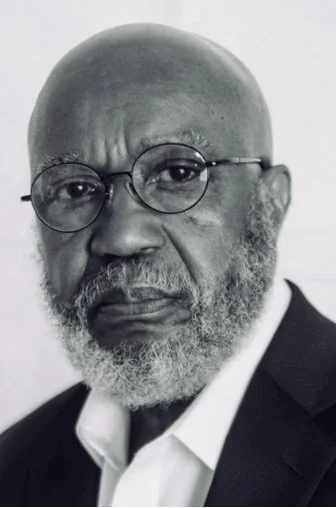
Norman Franklin
We are still basking in the glory of America 250. There were shields that protected the idea of exceptionalism— the sequester of the voice of protest and the maneuver around the pathogen that infects the grafted skin of democracy’s idealism. A visible lesion grows on the social body. Despite the festering wound, it was a grand celebration of the birth of our nation’s independence.
The acrid, sulfurous scent of fireworks has dissipated. The debris that littered the streets where exuberant celebrants gathered has been swept up, dumped into landfills and forgotten. The patriotic emotionalism reached its pitch, and then subsided. We enter August resettled into the mundaneness of life in an America that is healed enough to pretend it has healed.
We are not healed from the wound inflicted through a melanin-based justice system. Until that wound is debrided—until the damaged tissue of prejudice, inequality, and denial is honestly confronted and removed—true healing will remain out of reach. America will continue to wear the mask of exceptionalism while dismissing accurate historical data.
The wound is an embarrassment. We have attempted curriculum erasure and curated narratives of history. All have failed to reach a conducive milieu that leads to healing. There must be a desire for healing—not a situational desire that is content to tuck away the shame for a moment of untarnished glory. Historical patterns suggest that America is open to healing, but debridement is painful.
Hosea Easton nailed it in a speech in 1837 before the Anti-Slavery Society in Massachusetts. Easton said, “The spirit of slavery will survive in the form of racial prejudice, long after the system of slavery is overturned. Our warfare ought not be against slavery alone, but against the spirit which makes color a mark of degradation.” Preaching With Sacred Fire, page 46.
That spirit remained prevalent for another century. Melanin, in a race- conscious culture, too often assigned value and position in society. Healing was not the goal—a dominant ideology of ‘know your place’ maintained the social order intact.
There was the pretense of reckoning in the latter decades of the twentieth century. The Civil Rights Act, the Voting Rights Act, DEI policies to open access to America’s promise—decades of reckoning that formed a scab over the wound. It offered signs of progress and the hint of hope for America. But the scab has been torn away by the friction of injustices, prejudices, denials and weaponized political rhetoric. Our wound that never fully healed is exposed.
The patterns were prevalent leading up to the America 250 celebration. They gave irrefutable evidence of the nation’s conscience—we are healed, we are through nurturing the wound, we have done enough. A step back from social policies, equity programs, and legislation to halt past systemic injustices was needed to return commonsense to our society and our government.
We wonder how the scaled-back version of America will represent a nation of the people with liberty and justice for all its citizens. Political rhetoric weaponizes remedies to correct past systemic injustices. The return to gerrymandering echoes the unhealed wound. It is a regressive maneuver. It attempts to retrofit an anachronistic ideology into an empowered and diversified society.
America is suspended in an unfinished present. The wound will not heal without recognizing the hurt. This kind of wound can only heal when the circumstances that caused it are changed. Truth is the recommended medicine.