
There was a time when we tried to be America
by Norman Franklin
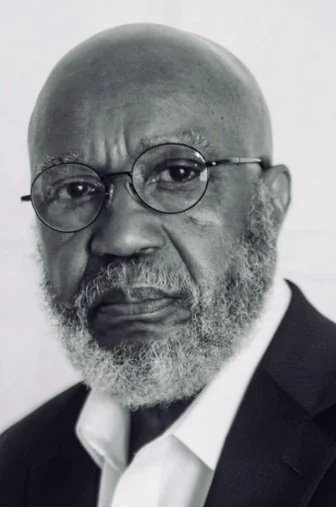
Norman Franklin
I’m lost for words. We were celebrating America. It was an unorthodox exhibition of our exceptionalism. A UFC staged cage fight on the White House grounds. It is the 250th anniversary of the event—The Declaration of Independence— that launched this democracy.
There are no boundaries when celebrating exceptionalism. The $30 million cost to construct the cage exemplifies the new standards. The millions that gathered for the event gave signals of their patriotic pride. The stamp of approval of bloodsport. But something happened at the end that spoke volumes about who we are as a nation. A statement so loud that it drowns out the cheers, the applause, the roar of exceptionalism.
The UFC fighter took the mic and without cause, without provocation, without any context in the celebration declared Michelle Obama is a man. He has a right to his opinion. The question America must ask is why the audience would approve of this disruption. Where was the corrective from our leaders in attendance? How were the honor and dignity of America’s exceptionalism presented to the watching world?
A troubling optic for a nation whose founding was laid on the foundation of biblical principles. It’s antithetical to the goal of rededicating America to God. It’s counterintuitive—a nation waving the Christian banner to approve of remarks that disparage another human. We are commanded to love one another. The portrait of America curated for America 250 is a nation that denies its history, a nation without honor. A nation that erases the raw atrocities to present the image of purity, piety and the favor of God yet retains the tensions of the unjust system.
There was no pushback on the disrespectful remarks but there was a time when America held fast to the hope of its founding. There was a time when its leaders stood up to disruptive aggression with honor, with correctives, and with dignity. The question we must ask ourselves, “Was Sen. John McCain an anomaly or the last of a generation of leaders who believed in the dignity of all Americans/” A psycho logical portrait of America reveals a nation trapped in cognitive dissonance.
During the 2008 campaign a supporter characterized Barack Obama in hostile and conspiratorial terms. McCain interrupted her and corrected her. He defended Obama, lauded his character and with civil discourse. Political opponents are not enemies. Disagreement does not require dehumanization. He did not allow inflammatory remarks to pass without correction. Silence in that moment would have become a form of permis sion. When leaders, when an audience of millions fail to challenge degrading rhetoric, they communicate that it’s acceptable and within the boundaries of public discourse. Politics becomes identity warfare. Public discourse becomes spectacle, and truth becomes secondary to loyalty. This latest episode fits an escalating pattern.
During the 2024 campaign season, disparaging caricatures were circulated about Haitian immigrants. They were uncivilized. They preferred to dine on domestic pets— the neighborhood cats and dogs, rather than shopping for meats at local markets. It was an insult repeated by candidates running for state and federal offices. It was cast as humor. The questions raised by these moments are larger than politics. It shaped the image of America. It is the crimson stain once cleansed by the blood of Jesus on the cross. It refutes the curated distinction of a Christian nation which the plethora of historical erasure narratives attempts to retrofit. There was a time when we tried to be America. We lost our innocence centu ries ago. It was a natural progression that the loss of honor would follow. We have lost the capacity to experience public shame, national shame. The loss of dignity sits squarely on our leadership and an audience that approves disrespectful behavior at a national celebration.
The question is whether America is committed to the civic virtues it once claimed. There was a time when we tried to be America despite the ravages of systemic injus tice. That is the history we try to erase to highlight our exceptionalism. The insults at the White House celebra tion reveal that the tension is still very present. There was a time when we tried to be America. The question becomes what are we trying to be now?