
Western New York Land Conservancy Updates, Floating Fen Preserve, Black Creek Project, and Why Wetlands Matter After Hurricanes
by Christin Bratton
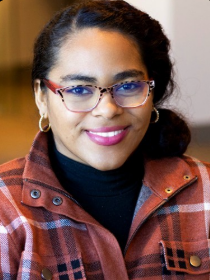
Christin Bratton
The Western New York Land Conservancy recently shared updates on three conservation efforts across the region: Floating Fen Preserve, the Black Creek project in Allegany County, and the larger WNY Wildway vision. I have been following their programs and really appreciate their website facts about wetlands and how ecological systems work. If you have not visited a state park or seen how beautiful these parks are, I highly recommend you take a trip to any or all of them. All three of these projects focus on protecting land before it gets developed. Ultimately, the goal of these projects is to keep forests intact and protect wetlands. We as a collective mankind have to ensure wildlife have a place to thrive and live out their natural purpose. They regulate the habitat they are in and keep the food web operating as it should.
Floating Fen Preserve protects a rare wetland system that depends on stable water levels and clean conditions. Black Creek focuses on conserving forest and stream corridors in Allegany County. And the WNY Wildway ties it all together by connecting protected lands across Western New York so habitats are not isolated patches. These projects take a long time to see any progress, but it's better than letting them dissipate. Protect it now so you are not trying to restore it later, which by then will be 10x harder.
From my own work reviewing wetlands in Florida (very different climate from Buffalo) and seeing the aftermath of water bodies after a hurricane, I have learned how much you do not see at first glance. On the surface, many sites look fine. Water looks clear. Vegetation looks healthy. But storms change everything. After hurricanes, trash that has been sitting on streets or in yards for years ends up at the bottom of lakes, ponds, and coastal areas. These things are even harder to see when the water is deep and the turbidity is high. You will not see the trash floating because it sinks. Plastics, treated wood, metal, random debris all settles into sediment and stays there.
Wetlands do a lot of hidden work. They absorb floodwater, filter pollutants, and store carbon. When debris builds up underneath, water chemistry shifts and habitat quality drops over time. That is why land protection matters. And that is why understanding storm driven debris matters too. If you want more background on how hurricanes move and trap debris in aquatic systems, NOAA breaks it down here: https://marinedebris.noaa.gov/discover-issue/how-storms-impact-marine-debris
About the Author
Christin Bratton is an Environmental Scientist and the founder of Terra on the Bench™ Studios, a creative collective dedicated to environmental storytelling and advocacy. Through her media project E3O Files, she explores environmental justice, sustainability, and the everyday connections between people and the planet. I’ve called Buffalo home since I was seven. I came up through the city’s public schools, took part in every program and opportunity this community offered, and those roots shaped who I am. Now, at 26, I work in environmental policy across the country—but I always return to Buffalo to invest what I’ve learned back into it.
About Terra on the Bench™
Terra on the Bench™ Studios is a creative collective and media studio founded by environmental scientist Christin Bratton. We expose truths, educate communities, explore nature, and oppose environmental injustice through storytelling that bridges science and culture.
Our work sits at the intersection of environmental policy, creative media, and social awareness. Through articles, coloring books, digital art, and documentary-style features, Terra on the Bench transforms complex sustainability issues into conversations people actually want to have.
At its core, Terra on the Bench is a seat of observation—a place to pause, reflect, and rethink how humans live with the planet. From disaster zones to city parks, from Buffalo’s East Side to coastlines across the country, we bring environmental science to life through curiosity, creativity, and truth-telling.
Media projects under Terra on the Bench™ Studios include:
On Earth with CB — a media series and podcast that Expose, Educate, Explore, and Oppose environmental injustice.
Terra Verdant — a character-driven art and storytelling project that inspires kids to protect the planet through creativity.
The Bench – weekly editorial for the Buffalo Criterion