
Buffalo Mayor Christopher P. Scanlon Announces $12 Million in Funding for Michigan Avenue Streetscape Project
Total Investment Raises Corridor Revitalization Commitment to $16 Million
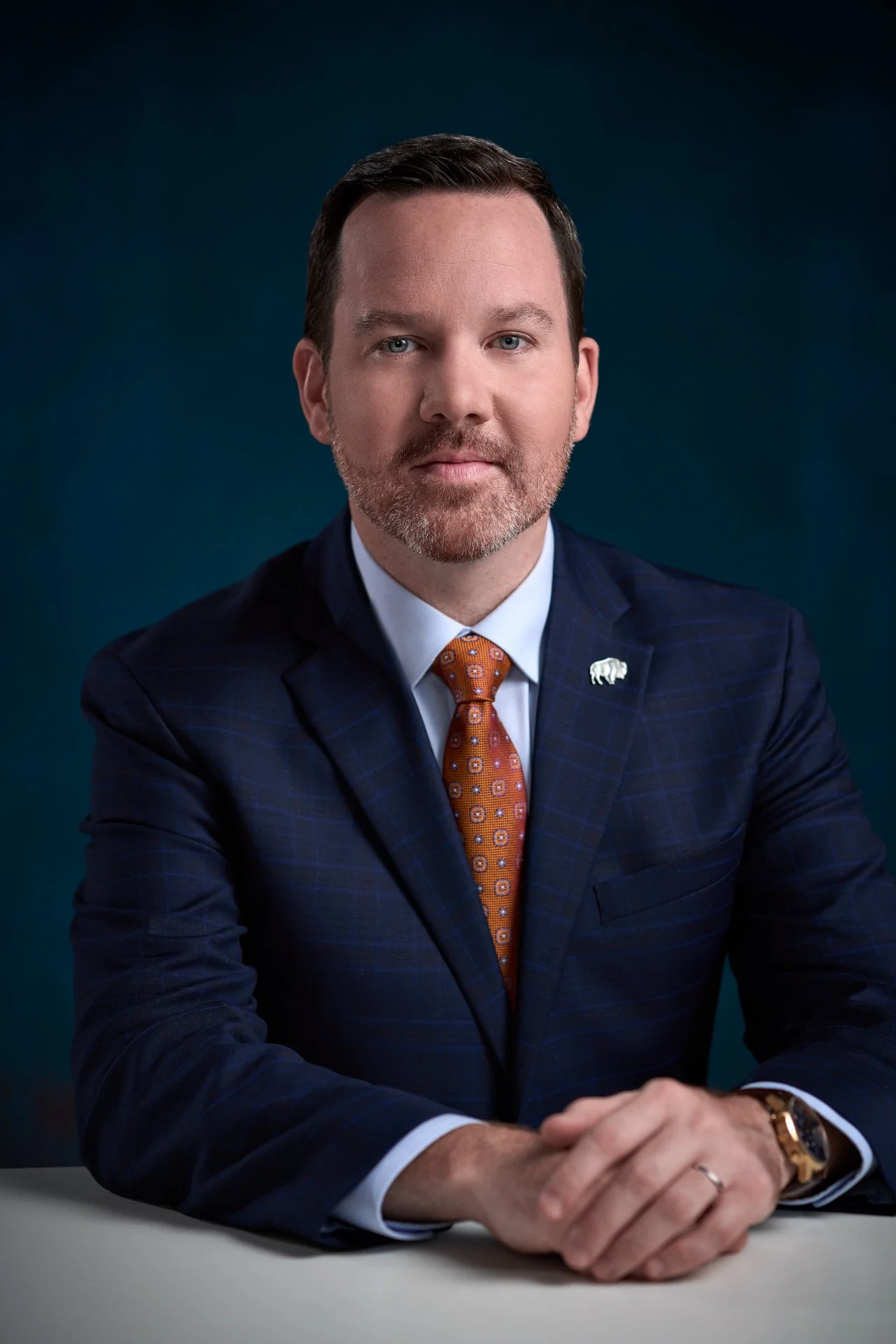
Buffalo Mayor Christopher P. Scanlon
Buffalo, NY – Buffalo Mayor Christopher P. Scanlon today announced a major infrastructure investment along one of Buffalo’s most important corridors — the Michigan Avenue Streetscape Infrastructure Improvement Project. The City of Buffalo has secured an additional $12 million in funding for the project, bringing the total investment to $16 million dedicated to transforming the Michigan Avenue corridor from Ohio Street to North Street.
Funding for the project represents a collaboration among multiple partners, including Empire State Development, and combines Federal Highway Administration funds through the Transportation Improvement Program with support from New York State’s Consolidated Local Street and Highway Improvement Program (CHIPS) and State Touring Route funds — programs that help municipalities maintain and enhance critical transportation infrastructure. This investment builds on the previously allocated $4 million for Michigan Avenue through the Regional Transportation Improvement Program, bringing together federal, state, and local resources to advance the corridor’s long-term revitalization.
“Michigan Avenue is one of Buffalo’s most historically and culturally significant corridors — a place where generations of Black Buffalonians built community, advanced civil rights, and contributed to the city’s economic and cultural identity,” said Buffalo Mayor Christopher P. Scanlon. “From the Michigan Street Baptist Church to the Colored Musicians Club, the Nash House, and WUFO Power 96.5 Radio Station, this corridor tells the story of Buffalo’s role in the Underground Railroad, the Great Migration, and the fight for equality. This $16 million investment is about honoring that legacy, connecting our past to our future, and creating a safer, stronger, and more vibrant corridor for residents, visitors, and generations to come.”
Empire State Development President, CEO & Commissioner Hope Knight said, “ESD is pleased to be a partner in providing a new streetscape for the Michigan Street African American Heritage Corridor. Under Governor Hochul’s leadership, New York State is proud to help elevate this treasured heritage destination in Buffalo which includes the Michigan Street Baptist Church, Nash House, the Colored Musicians Club and WUFO. We commend the Michigan Street African American Heritage Corridor Commission for all their hard work in elevating these important stops for local, national, and international tourists visiting the city of Buffalo.”
U.S. Congressman Tim Kennedy (NY-26) said, “For far too long, cities like Buffalo did not receive their fair share of road funding. During my time as Chair of the State Senate Transportation Committee, we tackled that head-on, creating the State Touring Routes program and delivering a 258% increase in funding for Buffalo’s roads. Without that funding, projects like the reconstruction of more than two miles of Michigan Avenue would remain out of reach. When completed, this project will help tie together the many communities that call Michigan Avenue home.”
New York State Assembly Majority Leader Crystal Peoples-Stokes said, “When we talk about ‘Black Buffalo,’ we tend to start with Michigan Avenue; a street rich with history when it comes to Black business, Black community, Black entertainment, and Black life. The story of the City of Buffalo cannot be told without discussing that history and the landmarks along the corridor which represent that history. This legacy that has been left to us cannot be honored enough, but the commitment to the infrastructure along Michigan Avenue ensures this history will be on full display for future generations.”
Buffalo Common Council Majority Leader and Ellicott District Council Woman Leah Halton-Pope said, “The Michigan Street African American Heritage Corridor is the heart of Black culture, history, and excellence in Buffalo. This is where the Michigan Street Baptist Church sheltered freedom seekers on the Underground Railroad, where trailblazers like Mary Burnett Talbert helped shape the Civil Rights Movement, and where the Colored Musicians Club became home to the sounds that transformed American music. Every site along Michigan Avenue tells a story — not just of Buffalo’s Black experience, but of the American story itself. I’m grateful to Mayor Scanlon and our state and federal partners for recognizing the importance of this legacy and committing $16 million to make the corridor safer, more accessible, and more welcoming. These investments ensure that future generations can continue to learn from, celebrate, and be inspired by the history made right here.”
Terry Alford, Executive Director, Michigan Street African American Heritage Corridor Commission said, “Michigan Avenue has for 185 years served as the connector of the past, present, and now future for those historic neighborhoods within and beyond the Corridor. At the beginnings of the early 20th century, the Corridor served as the beacon of hope and opportunity for hundreds of African American families coming to Buffalo escaping Jim Crow or worse. Over time, as these families did better economically, it allowed them to move further along the Corridor, especially towards the east side of our city, developing these spaces into vibrant and enriching neighborhoods. Unfortunately this all stopped with the start of “urban renewal” efforts that did more harm than good. On behalf of the Michigan Street African American Heritage Corridor and its four cultural Anchors, I thank Governor Hochul, NYS Assembly Majority Leader Crystal Peoples Stokes, and Mayor Chris Scanlon for their leadership and vision that will ensure real transformational change that will benefit families and businesses for many generations to come.”
The Michigan Avenue Streetscape Infrastructure Improvement Project will include:
Full pavement reconstruction
New and widened sidewalks and curbs
Enhanced street lighting and upgraded traffic signals
Green infrastructure and accessibility improvements
Streetscape amenities such as landscaping, benches, and signage
Design work has begun and will continue through 2026, led by the city and its design consultant team. As part of this process, the city will host public outreach meetings to gather feedback from residents, businesses, and community stakeholders along the corridor. The project is currently slated to begin construction in 2027.
“The Department of Public Works, Parks & Streets is excited to progress this project with the goal of upgrading and transforming the infrastructure within the Public Right of Way along this section of Michigan Avenue”, said DPW Acting Commissioner Nolan R. Skipper. “The Department will have a variety of public outreach opportunities as we acknowledge and appreciate that this corridor has a unique blend of residential, business and commuter usage to consider during design. We look forward to a final product that all roadway users can use and experience safely.”
Over the coming months, the city will coordinate with local stakeholders to schedule public design input sessions. These forums will allow community members to weigh in on materials, streetscape features, and corridor character. The city will also issue periodic design updates and anticipatory construction notifications.
Once finalized, the designs will move into permitting, procurement, and ultimately, construction. During the build phase, the city will work to minimize disruptions by staging work and coordinating closely with impacted businesses and commuters.