
Comptroller Releases First Quarter Gap Report Response
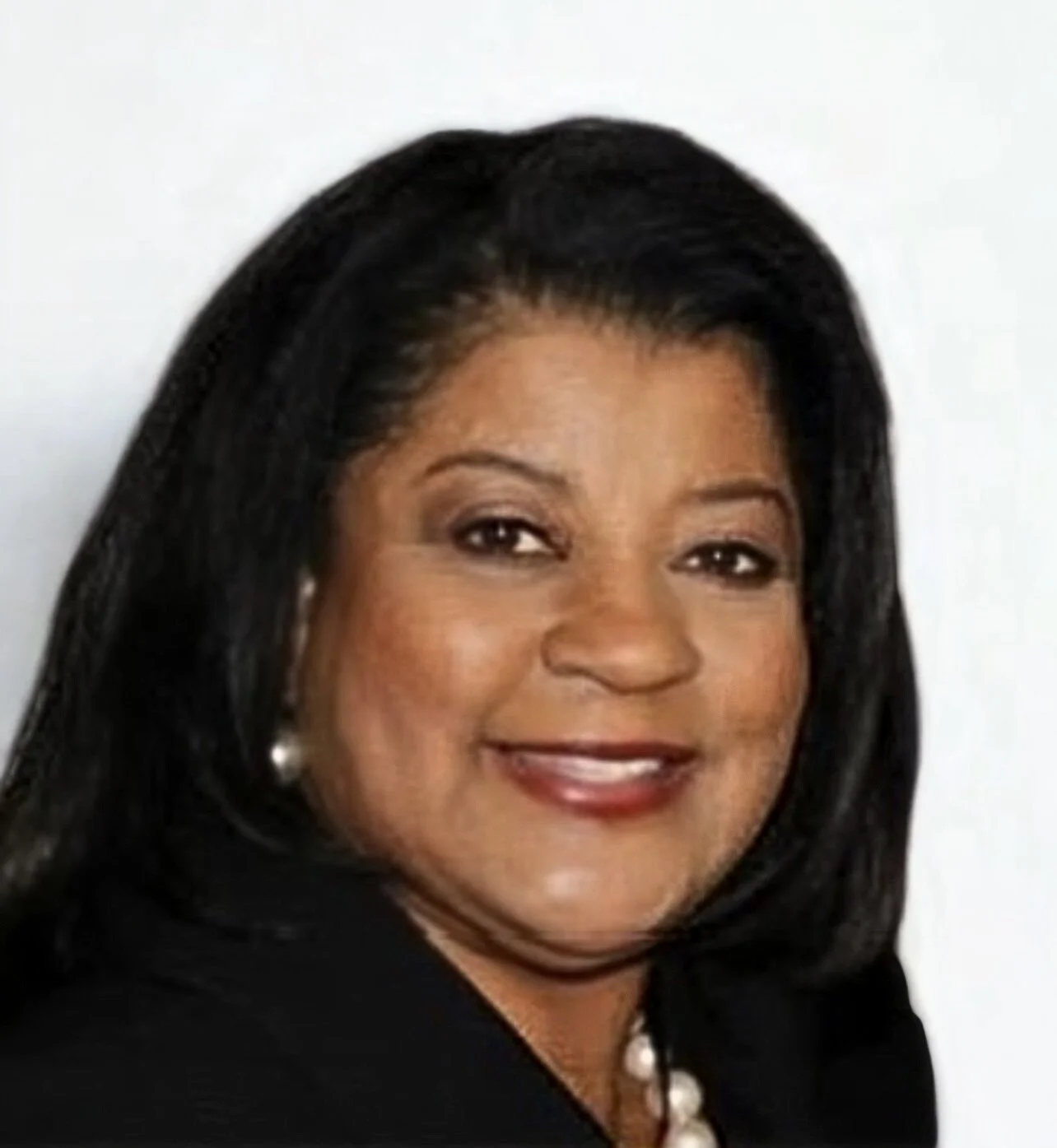
Barbara Miller Williams
City of Buffalo Comptroller Barbara Miller Williams has filed her response to the Administration’s Fiscal Year 2025–2026 First Quarter Gap Report with the Buffalo Common Council, outlining significant concerns regarding the City’s projected financial position and the growing divergence between the Administration’s estimates and the Comptroller’s independent analysis.
As required by the City Charter, the Department of Audit and Control reviewed the Administration’s Gap Report using historical trends and transactional analysis to assess the reasonableness of projected revenues and expenditures for the remain der of the fiscal year. Due to uncertainty surrounding the timing of receipts and disbursements over the final nine months of the fiscal year, adjustments were made to account for unexpected and non recurring transactions.
The Administration projects a budgetary deficit of $2.3 million for the fiscal year ending June 30, 2026. In contrast, the Comptroller’s Office projects a significantly larger deficit of $42.8 million. Should the City fail to realize budgeted revenues related to the Tribal Compact ($11 mil lion) and the Sale of Land and Buildings ($26.5 million), the projected deficit could increase to $80.3 million. Key drivers of this gap variance include projected revenues to fall below the budgeted expenditures anticipated. Furthermore, the Comptroller’s Office forecasts that expenditures will be higher than the Administration projected in their First Quarter Gap Report.
The Comp troller’s Office estimates net revenues of $618.8 million for Fiscal Year 2025–2026, which is approximately $21 million lower than the Administration’s projection. This variance is largely attributable to lower than anticipated receipts from the Hotel Occupancy Tax, Intergovernmental Revenue, Service Charges, Interest, and Miscellaneous revenues. These decreases are partially offset by higher projected receipts from Erie County Sales Tax and Licenses and Permits.
On the expenditure side, the Comptroller projects total expenditures and transfers will exceed the Administration’s forecast by $19.5 million, primarily due to under-bud geted costs associated with overtime, fringe benefits, pen sions, and legal settlements. These projections remain subject to economic risks and ongoing fiscal pressures.
The analysis also indicates that the City is not expected to fully fund its Restricted, Committed, or Available Fund Balances at the close of Fiscal Year 2025–2026. Historically, these reserves have served as a financial cushion during periods of revenue shortfalls or expenditure overruns. Additionally, the City’s Avail able Fund Balance is projected to fall below the minimum level required under the City of Buffalo’s Fund Balance Pol icy, which mandates reserves equal to no less than 30 days of prior-year expenditures. Under the policy, the current Administration is required to submit a formal plan outlining how compliance will be restored.
“The First Quarter Gap Report underscores serious structural challenges facing the City’s finances,” stated Comptroller Miller Williams. “While forecasts rely on his torical trends, the magnitude of the projected deficit and the continued strain on rev enues, expenditures, and fund balances warrant vigilant and immediate attention. It is critical that fiscal decisions made this Fiscal Year prioritize long-term stability and transparency for City of Buffalo citizens and taxpayers for future generations.”
The Department of Audit and Control will continue to monitor the City’s financial performance and provide regular updates to the Admin istration, the Buffalo Common Council, the Buffalo Fiscal Stability Authority, and the citizens and taxpayers.