
EID AL ADHA CELEBRATION MAY 27, 2026
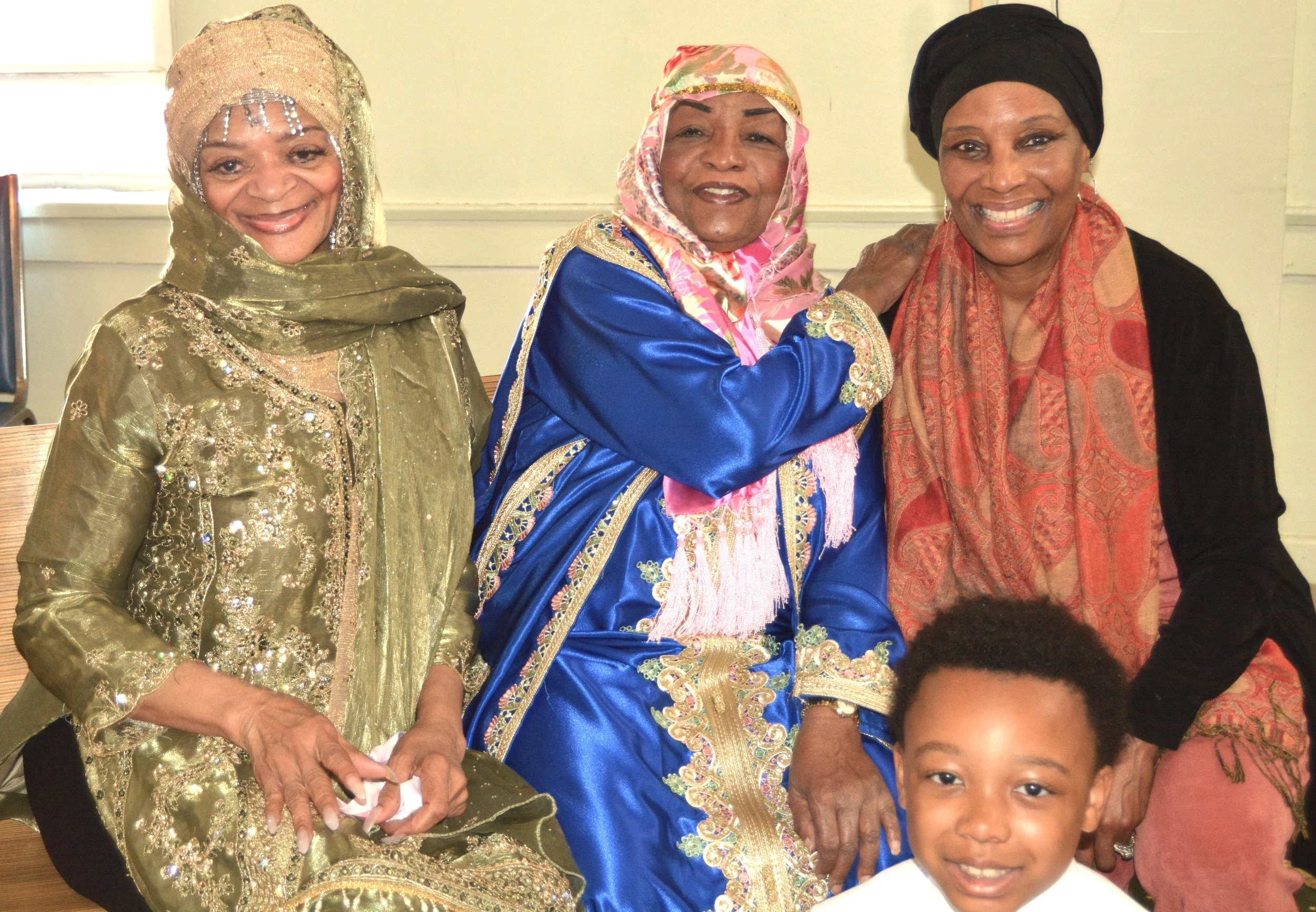
On May 27th, 2026, over 2 billion Muslims worldwide celebrated Eid al-Adha, commemorating the Hajj
The Pilgrimage (Hajj) celebrates Prophet Abraham's (Ibrahim) willingness to sacrifice his son, Ishmael, before he received reassurance from Allah (G-d) that he and his son had already fulfilled their demonstration of faith. Consequently, Prophet Abraham was ordered to sacrifice a lamb instead.
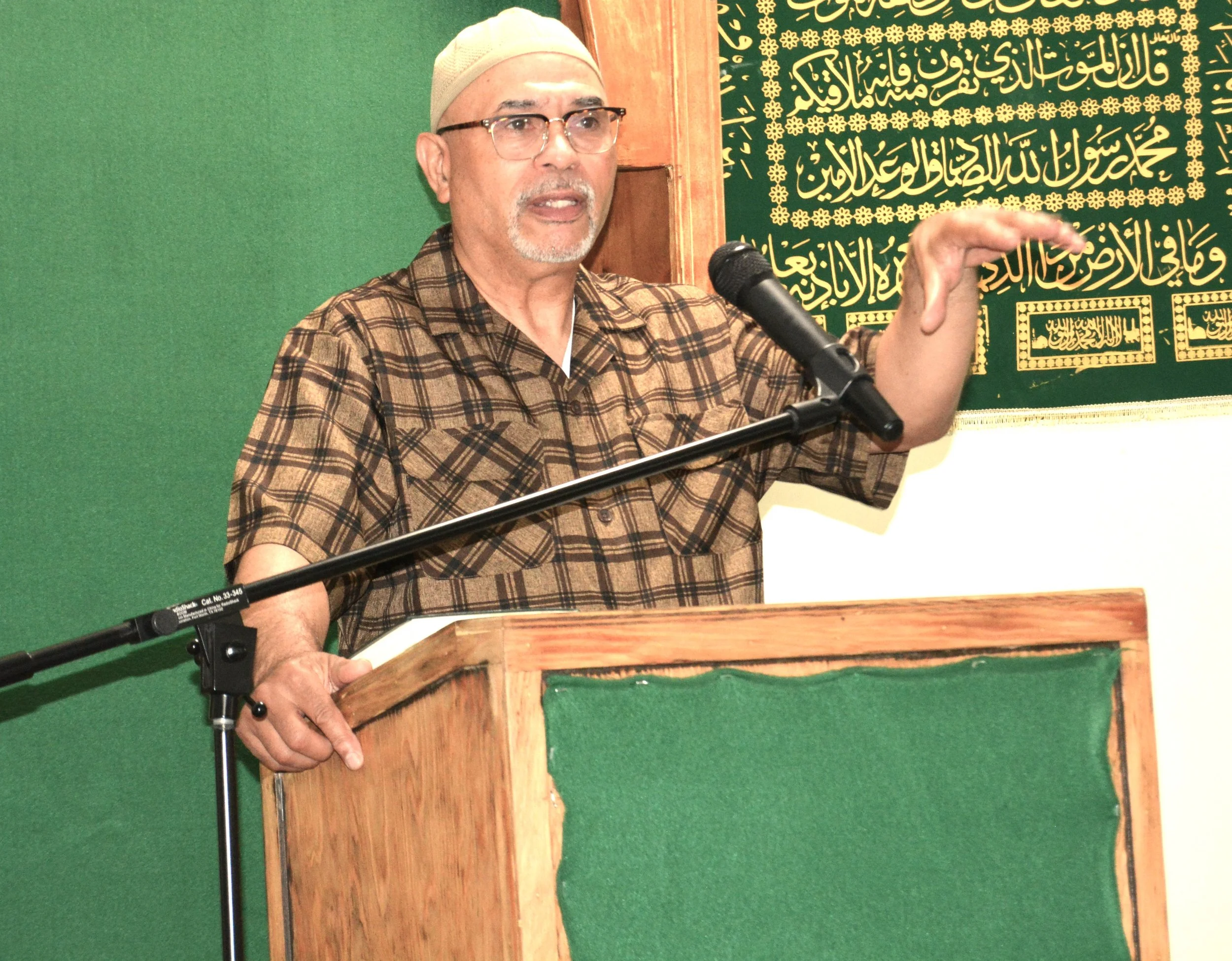
Muslims share the Abrahamic faith tradition with Jews and Christians, recognizing Adam and Abraham as the Fathers of Religion. Muslims also must believe in Christ Jesus and the immaculate conception of his mother Mary. Muslims see Jesus as a healer and the Light of G-d. The 19th Chapter of The Qur’an is named after Mother Mary.
There are two Holidays for Muslim’s each year. The first is Eid al Fitr, which celebrates the individual victory over one’s nature or appetites at the conclusion of the Blessed month of fasting, Ramadan. The second is Eid al-Adha, celebrating the collective victory of intellect, the willingness to sacrifice for G-d, and the recognition, by reasonable deduction, of the worship of One Deity, as Prophet Abraham concluded in opposition to idolatry. The word Eid means recurring happiness, as these holidays occur annually.
Prophet Muhammad (peace be upon him and all the Prophets) is not worshipped by Muslims and is recognized as a continuation and seal of all Prophets assigned to humanity by G-d. The Qur’an was revealed to Muhammad by the angel Jibril (Gabriel) and is considered a continuation of earlier revelations (the Torah, the Psalms, and the Gospel) and the seal of all revelations.
The Pilgrimage to Mecca (Hajj) is one of the 5 pillars of faith for Muslims. (Muslim means one who yields their will or submits to the will of G-d)
1. Belief in Allah (also known as G-d, Yahweh, Jehovah, Elohim, etc.)
2. Prayer (Saah) 5 times a day.
3. Charity (Zakat): giving a portion of your accumulated wealth
4. Fasting the Month of Ramadan
5. Pilgrimage (Hajj) to Mecca once in a lifetime if you can afford to do so.
The Pilgrimage to Mecca takes place during the 12th month of the Islamic (Lunar) calendar Dhul al Hijjah. The full journey from the United States of America usually takes 10 to 14 days, with 5-6 days for the actual Hajj rituals. Other days of the trip are usually spent visiting the City of Medina, where Prophet Muhammad’s Masjid and burial place are located, as well as many revered historical sites. In addition to circling the Kabah (the first house of worship built by Prophet Abraham) 7 times on certain days, one of the stages of Hajj is following in the footsteps of Hagar, the former housemaid from Egypt, and Abraham’s wife Sarah, who was offered to Abraham to have a child because she couldn’t bear children.
Hagar would later be cast out into the desert and was running between two hills (Safa and Marwa) looking for water and food for Ishmael. A well (Zam, Zam) would spring open to save them and still runs in Mecca to this day. All pilgrims must walk or run between the designated points of Safa and Marwa in the grand outdoor Masjid (Mosque) al Haram. The Zamzam well is also located inside Masjid al Haram.
There are centuries-long debates over whether Ishmael or Isaac was the son offered for sacrifice by Prophet Abraham. Muslims believe that Ishmael, being the eldest son, was the son referred to in the Qur’an who was sacrificed before the birth of Isaac (Ishaq), who is also mentioned in the Qur’an.
Not to be lost in debate is the bigger picture of faith and the unity of the human family at the pilgrimage. Nearly 2 million Muslims make the pilgrimage each year. There are no special preferences given to any leaders of countries, heads of state, or similar figures. All men wear a common white outfit made of two plain sheets of cloth. Women wear loose-fitting garments of their choice, although many wear white to help deflect the sun's heat.
On the last days of the pilgrimage, each person pays as a part of their tax to have a lamb or animal slaughtered for distribution. Muslims around the world who are not performing the pilgrimage also participate in this process. There are three days of celebration amongst families and friends.
Children receive gifts, and a concerted effort is made to ensure that the less fortunate can also participate in the celebration. We pray that all will have a Blessed Eid al Adha this year and many to come! We continue to pray for all those who are suffering wars, famine, and oppression from worship. Amen