
Fear Framed as Fairness: An American Pattern
by Norman Franklin
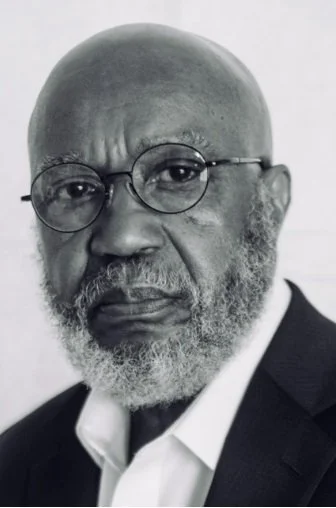
Norman Franklin
Campaigning for the primaries is in full-circus frenzy mode. The candidate emerging from this free for-all will advance to the November general election. Integrity, respect, and rhetoric that unifies are never spoken—the specter of fear is employed.
We are a society of reasonably intelligent people. We are a nation that boasts of our grounding in faith principles. We are a country where integrity, decency, and respect for the common man are ingrained in the creed of freedom and justice for all. This promise is not situational. It’s not practiced at the will of convenience. It’s why the stars and stripes flutter in the wind. But the calculated campaign rhetoric inverts fairness and fear. When the loss of status is threatened, fear is the ace card up the sleeve. Politicians are skillfully adroit house dealers.
Politics are the ideological identity of the nation. Political leaders are elected to carry out the will of the people. Calculated rhetoric manipulates the electorate with emotions rather than with policy platforms that offer concrete solutions. Immigrants, policies and programs promoting equity become the targets of ridicule, and exploitation. It’s a repeated pattern employed to resist social reforms and political reckoning.
Two candidates are vying for the Senate seat of the retiring Mitch McCon nell. Sen. McConnell (R) represents roughly 4.5 million residents of Kentucky. The demographics: nearly 87% white, with small percentages of African Americans, Hispanic, and Asian constituents. Candidates in the primaries employ the means necessary to get to the November general election. Fear and exaggerated promises are the rails the candidates ride through the primaries landscape. The rhetoric is dismissive.
One candidate unapologetically stated, DEI stands for “dumb, evil, indoctrination.” If this candidate wins, can the African American, Hispanic, and Asian constituents expect equitable representation? The other candidate will champion deportation of immigrants. They are taking our jobs. They are criminals and thugs. They threaten the security and safety of our communities. Both voter appeals promote exclusion. It’s a bipartisan American pattern. The fear, fairness, and threat narratives motivate voters. Here’s the distinction. Republican fear rhetoric historically emphasized—crime, coded racial disorder, immigration, cultural decline, government favoritism toward minorities, and status displacement. Whereas Democratic fear rhetoric, more often emphasized: economic collapse, loss of social safety nets, war, healthcare insecurity, and climate catastrophe.
Richard Nixon framed urban unrest, crime, and social disorder to justify his administration’s platform of “law and order.” The recommendations of the Kerner Commission were not implemented. Nixon exploited “law and order.” Ronald Reagan, the quintessential Republican, weaponized welfare and harnessed the fear of government overreach. Reducing welfare and shrinking government was restoring fairness to “hardworking taxpayers.”
George H. W. Bush racialized crime—Willie Horton exemplified violent crime, criminal leniency, and racialized danger. Bill Clinton endorsed the 1994 Crime Bill. Barack Obama’s financial collapse and loss of healthcare exploited the fear of losing safety nets during the Great Recession.
Fear motivates reaction on any level. Both parties exploited fears—it’s the pattern of American political control. Nixon, Reagan, and Bush messaging often framed protection of traditional order as fairness. Democratic messaging more often framed protection of vulnerable groups as fairness.
Fairness is relative. It always favored those in power. The marginalized, the vulnerable become a useful conve nience. The electorate follows their emotions.