
Joy, it feels good to do good
By Norman Franklin
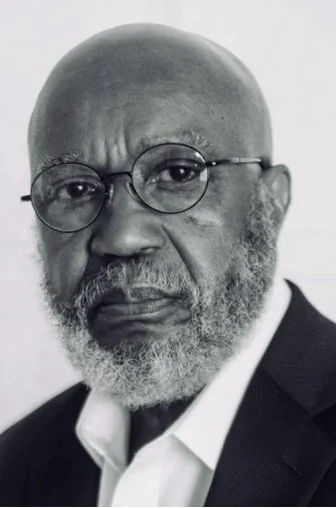
Norman Franklin
It’s the season when we overflow with good feelings— feelings about ourselves, about our family, neighbors, our communities, and for those whom fortune has frowned upon. We give and look for ways to give. And we give with the hope that the warmth of our seasonal generosity will somehow melt away the frost from the cold breath of our realities — an Ebenezer syndrome, the perspectives of the merciless Scrooge of the Dickens classic, “A Christmas Coral” echoes in twenty-first century America.
The seasonal warmth of our generosity comforts but lacks salve for healing. We have become adept at keeping the suffering body alive without ever making it well. We’ve learned to feel without fixing, gather data on problems with out repairing—keep the body warm but allow the disease to progress, the nerves to remain damaged and the poor adapt to the pain.
The American public has adapted to pain and sacrifice are a necessary cost of making America great again. On that path, we’ve normalized disrespect of ethnicities, devaluing the poor, dehumanizing immigrants, and ad hominem as the norm of discourse between opposing ideas.
Governance has shifted to the extreme right. Our silence is complicit. We breathe a sigh of relief—it’s in our communities but not at our door. We have adapted to seeing immigrants seized, dragged from their homes, their cars, incarcerated and shipped off to unfamiliar places; we see children crying, clinging to the sleeves of their father, their mother, and we can still sit down and enjoy our family dinner.
The people of impoverished nations adapt to the pain inflicted by DOGE rampages. The debris is strewn across the landscape. The funding of USAID was slashed, staff lev els—skeletal—food and medicine no longer available, exacerbating hunger and deaths. The American people applaud the cuts; we have a mandate for an America first policy.
But hunger and homeless ness have increased, families struggle with high food prices, high rents and mortgages, veterans, among others are homeless. Being hungry is attributable to low motivation, homelessness, sleeping in the streets is illegal. These are circumstances that cannot be resolved by the heart-awakening of Ebenezer, a goose for Christmas dinner is a used bandage without the adhesive.
America is grappling with finding joy, real joy, not sea sonal joy, but joy with conti nuity, and both individual and national community. We are searching for meaningful ways to be charitable. We give our time, our money, our service, personal and professional. When government leans fru gal, the American people must lean in with compassion to fill the gap. But it must not be seasonal, it must not be per formative, nor transactional.
Transactional joy dimin ishes as rapidly as warmth on a winter’s day after sunset. Joy that anesthetizes is per formative. We can bask in the warmth from doing good while remaining numb to the pain, the discomfort, and the desperation of the homeless, the SNAP recipient, and the immigrant fearing deportation.
The pursuit of joy untethered from justice is unreliable.