
Spirit Airlines Is Off the Runway. What Comes Next for Travelers?
by Christin Bratton

Christin Bratton
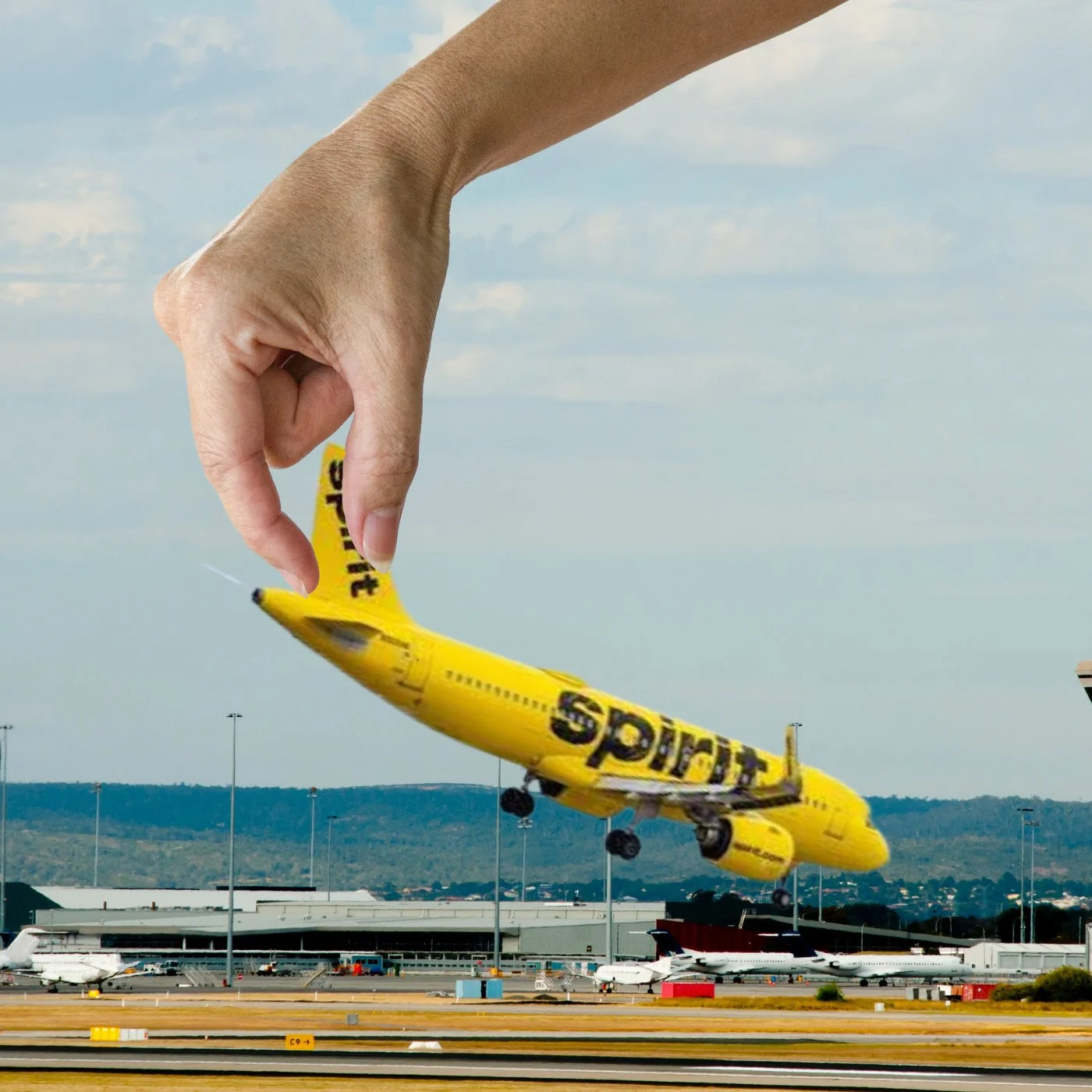
The sudden collapse of Spirit Airlines raises a serious question: why did the public receive so little warning despite years of visible stress across the aviation sector? It could be that Spirit's profit model of low, budget-friendly prices demonstrated that their success was not sustainable and may have been too fragile. The low-cost model and external pressures intensified rapidly.
In the years leading up to the shutdown, several clear signals pointed toward instability. The airline industry faced a prolonged disruption following the COVID-19 pandemic, which reduced global passenger traffic by about 60 percent in 2020, according to the International Air Transport Association. We remember this stressful time as limited travel, social isolation, and job loss, which ultimately hurt the airline industry—most of all, Spirit.
Airlines absorbed billions in losses while relying on emergency support. In the United States, the Department of the Treasury distributed over 50 billion dollars through the Payroll Support Program to help stabilize carriers. These efforts may not have been openly or consistently discussed publicly, possibly to prevent panic or speculation. Budget carriers, including Spirit, were particularly vulnerable.
Spirit operated on thin margins, with revenue heavily dependent on ancillary fees (add-ons and baggage fees). In 2019, non-ticket revenue made up over 40 percent of Spirit’s total income—a design that relies on high passenger volume and stable operations. When demand declined and disruptions increased, this model lost stability faster than older carriers with more diverse income streams.
Today, it's clear that global geopolitical pressures have increased costs. The Russia-Ukraine war pushed jet fuel prices up significantly. The U.S. Energy Information Administration reported that jet fuel prices rose from about $1.46 per gallon in 2020 to over $4 per gallon in mid-2022. We see in 20255 that prices have reached around $3–$4 per gallon. Filling 85% of a Hyundai SUV's tank now costs about $50, according to my last gas receipt. For airlines, fuel can account for up to 30 percent of operating costs, so this spike immediately strained low-cost carriers.
Domestic policy also played a role. Under President Joe Biden, regulators increased scrutiny of airline mergers (combining two carriers under one operating certificate) and ancillary fee practices (charging extra for services like add-ons, baggage, or seat selection). The blocked merger between JetBlue Airways and Spirit removed a potential financial exit strategy that could have helped stabilize operations. Spirit could not be saved. Additionally, increased enforcement on hidden fees reduced flexibility in one of Spirit’s main revenue sources.
Spirit reported net losses exceeding $500 million in 2023 and continued facing operational disruptions due to fleet issues and supply chain delays. Aircraft deliveries from Airbus slowed, limiting expansion, while demand shifted unevenly across domestic routes.
The potential closure was not openly discussed as many people still bought tickets and used the service. It makes sense that airlines rarely communicate collapse risks directly, as doing so could trigger a rapid decline in bookings and cause customers to experience delayed or canceled trips.
The closure has immediate market implications. Reduced competition in the low-fare segment will likely lead to higher average ticket prices on routes previously dominated by budget carriers.
Consumers will face fewer ultra-low-cost options, less route flexibility, and increased uniformity in pricing across airlines. Looking ahead, consolidation will probably continue. Stronger carriers will absorb more customers. Certain economic groups may be less likely to travel by plane.
While the low-cost model may persist in a modified form, prices will shift toward hybrid structures with fewer extremely low fare options. For consumers, this means fewer opportunities for sub-$50 flights and a greater need to plan travel around fluctuating prices and limited availability.
This reality becomes more tangible when you see videos online showing pilots emotionally expressing their appreciation for their careers with Spirit, customers upset that their tickets are no longer valid, and discussions dissecting what this could mean for societal hierarchies and which economic classes will be most affected. The question of who airlines will target now hinges on income levels and who will choose to stay home.