
The Path to Generational Wealth Is Not Through Receiving Grants
by Betty Jean Grant
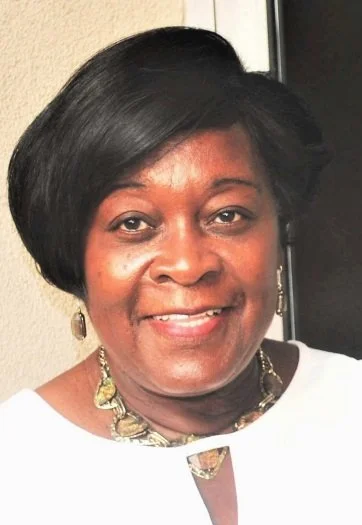
Betty Jean Grant
I have been observing the interaction and community activities that are being scheduled and conducted by members of the Bangladeshi or Bengali community. Many of these events take place in public spaces such as the Buffalo/ Erie County Public Library and in town halls or community centers in Cheektowaga and Amherst.
Up to now, most of these meetings have dealt with job or employment opportunities where prospective employers can recruit job applicants on site. Sometimes, there are over 50 employment tables set up and manned by many of the banks, restaurants, healthcare agencies and food industries that already employ many longtime residents in our community. I want to make it clear, although these job fairs are implemented by the Bangla community leaders, any person in the WNY area is welcome to attend and hopefully hired by one of the many companies and agencies looking for good and reliable job seekers.
There used to be a time when black politicians and community leaders held similar job fairs at Eastside Community Centers to give our under-employed and under-paid, black teenagers and young adults an opportunity to become gainfully employed in a city that is, through inaction and disinterest, gentrifying and pushing them away from their homes and communities.
Let me make it clear; I am not blaming or finding fault for what other communities or ethnic groups are doing, I am simply documenting what they are doing to empower their cultural footprints by taking advantage of all economic opportunities and also by creating avenues for jobs creation, opening new businesses and uniting with other likeminded individuals to pool resources that can be used to finance these neighborhood driven initiatives.
Once upon a time, that entrepreneurial, self-help and community partnering of working together with the business community and the number of jobless young, black men were something that gave many in the community renewed hope that we were making waves to solve issues that the African American community has dealt with ever since street corner pharmacies replaced manufacturing companies as the main employers of our inner city youths during the deadly and turbulent years of the 1970s, 1980s and the 1990s.
Over the past several years since the massacre at Tops Market, tens of millions of dollars have come to our community to address the effect of the loss of 10 of our beloved community members who were slain. And now, as one travels along Jefferson Avenue, the same unpaved street, cracked sidewalks and desolate and empty buildings bear witness to the fact that the money that was donated to improve the street and the surrounding neighborhoods, was distributed in the form of grants to the selected few.
That $10,000,000 could have fixed a lot of potholes or put new roofs and windows on some of the low-income homeowners and qualifying buildings on Jefferson Ave. Instead of that happening, multiple nonprofits, some of whom were unknown or not known with a historical service delivery background, wound up with money for upstart and salaries, to push a delivery of service that most people knew little to nothing about.
We will never regain ownership of our commercial districts and the community’s financial resources that are driven by our collective monies if we have our hands out for grants and a funding source that may not be available to us in the future. Grants are useful for helping people in need and I am grateful for that. But if we want to make sure, we have a house, business or an inheritance to pass along to our descendants, we had better start focusing on opening our own stores and patronizing other stores and businesses in our cultural community now, before it becomes too late.
Most of the other ethnic groups or communities in Buffalo have a head start on laying the groundwork for their members to move toward pooling resources and investing in homeownership as sure ways to ensure that their heirs and future generations will be taken care of. It is about time we African Americans start that generational wealth dialogue real soon. This writer also believes that the word Reparations should be a part of that conversation.