
Alzheimer’s Disease & Age-Related Dementia
by Ellen Grant
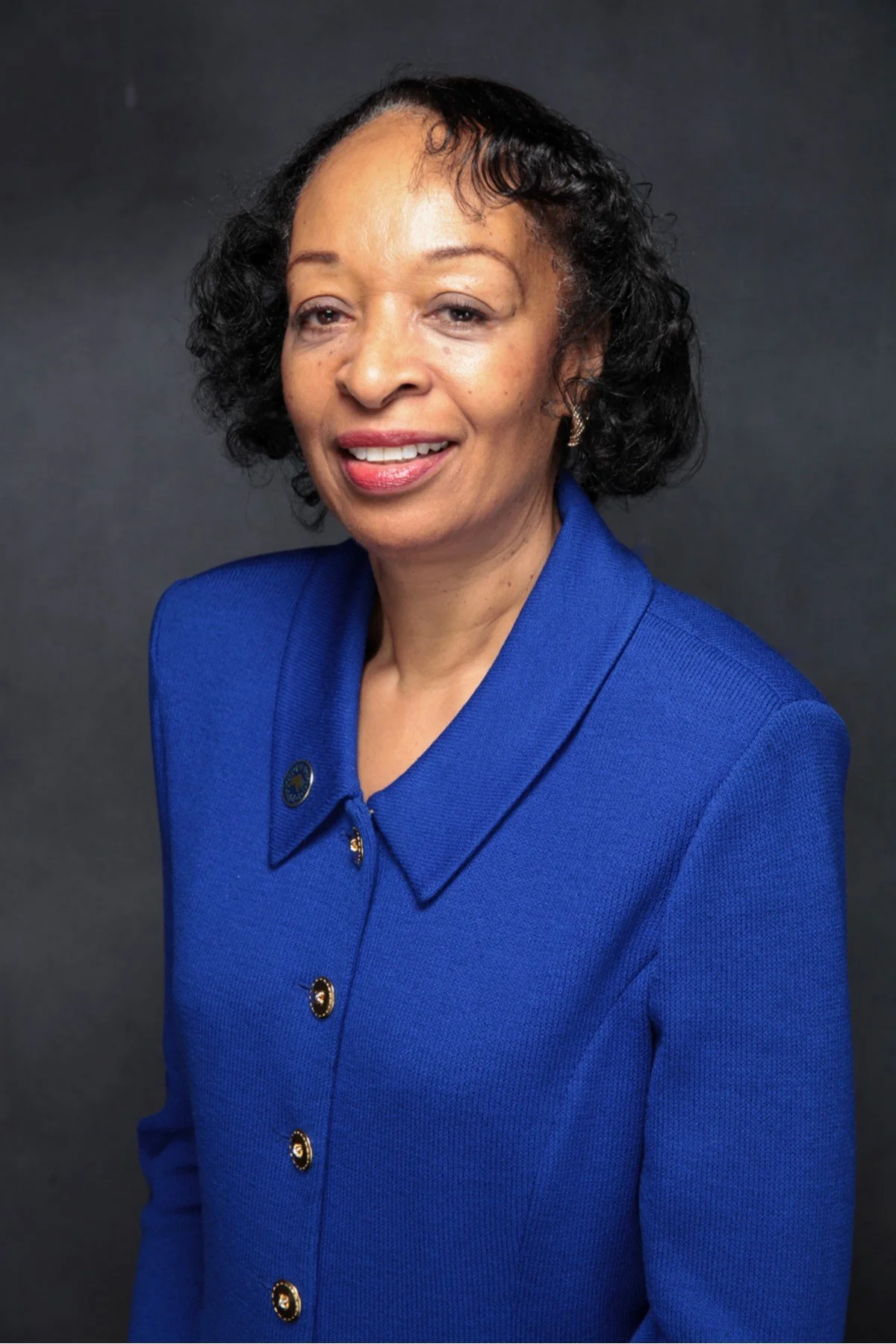
Ellen Gant
Though some may believe that health care for all people has advanced, Black Ameri cans’ health challenges continue. Healthcare disparities occur in the Black population for several reasons: lack of health insurance; lack of transportation; disbelief from healthcare providers regarding symptoms. Others include, not having a health care facility within reasonable distance can contribute to inequality of healthcare.
Alzheimer’s and Dementia—the latter often called Age Related Dementia (ARD)— are two diseases that can impact members of our community as we do our best to help ourselves, family members as care takers.
To be clear there is a DIFFERENCE between Dementia and Alzheimer’s. The Center for Disease Control’s (CDC) definition of Alzheimer’s Disease: “Alzheimer’s is the most common type of dementia. It accounts for 60% to 80% of cases. Cause: Many factors play a role in causing Alzheimer’s, including genetics, behaviors, and habits. Symptoms include problems with short-term memory, paying bills, pre paring meals, remember ing appointments, or get ting lost in familiar areas. Risks: Having a close relative (like a parent or sibling) with Alzheimer’s disease increases a per son’s chance of develop ing it”.
Regarding dementia, the CDC states “Symptoms of Dementia includes issues with memory, attention, communication, reasoning, judgment, and problem solving, vision problems such as depth perception, processing visual cues, or recognizing objects…Signs that may point to dementia include: getting lost in a familiar neighborhood; using unusual words to refer to familiar objects, forgetting the name of a close family member or friend, forget ting old memories, not being able to complete common tasks on your own.”
I contacted Dr. Leonard E. Egede, MD, MS, FACP, SUNY Distinguished Professor Chair, Department of Medicine, Charles and Mary Bauer Endowed Chair, President & CEO, UBMD Internal Medicine, University at Buffalo, Jacobs School of Medicine and Biomedical Sciences, Buffalo General Medical Center to ask him about Dementia and aging.
“Too many families accept memory loss as ‘just aging,’ especially in our community, where these diseases strike at higher rates. Alzheimer’s is one specific disease; dementia is an umbrella term — and only a qualified physician (geriatrician or gerontologist, or neurologist) can tell you exactly what you’re dealing with. Don’t settle for a partial answer when a full diagnosis can change everything.” As you can see, Dr. Egede is well credentialed as a medical professional. Though I have had some experience with patients who appeared to have symptoms of either dementia or Alzheimer’s, I have continued to recommend that the patient seeks the assistance of a physician.
I am on the Advisory Board of the Black Women’s Health Study of Boston University, the largest Black women’s health research study in the country. I’m sharing one of this organization’s research studies on this topic—“The BWHS has funding from the National Institute on Aging to study factors that may impact cognitive decline (changes in thinking and memory as one ages) in BWHS participants. For reasons that are not well understood, studies suggest that older Black women are more likely to have cognitive impairment and a higher risk of dementia than other women in the U.S. The BWHS is conducting a five-year study to measure cognition annually and under stand factors associated with changes in cognition over time.
Recruitment for this study is completed, with 2,500 BWHS participants now being contacted for a 2nd of five planned cognitive interviews. The annual cognitive interview data together with BWHS questionnaires sent every two years since 1995 and biomarkers measured in blood samples will be used to identify factors that may influence cogni tive aging. This information will help to guide future prevention and treatment programs aimed specifically at improving Black women’s cognitive health.” I am a participant in this study.
Suggestions for the reduction of Alzheimer’s and related dementia include educating professionals who treat All patients coming for care with the proper respect they deserve. Improved neighborhoods with the elimination of pollution and other environmental hazards to ensure environmental justice is another. My hope is also that more participants will volunteer to participate in studies about dementia and age-related diseases. For local information and assistance, please reach out to “The Western New York Chapter of the Alzheimer’s Association serves all eight counties of WNY - Allegany, Cat taraugus, Chautauqua, Erie, Genesee, Niagara, Orleans and Wyoming - with education programs, support groups, and other resources for those living with dementia and their care partners. Supporting diversity, equity and inclu sion is vital to our mis sion, and we are dedicated to assisting underserved and underrepresented populations who are dis proportionately affected by Alzheimer’s disease and dementia. We are located at 6400 Sheridan Drive, Suite 320, Amherst, NY. Our office is open by appointment only. You can reach us at 716.626.0600 ext. 312 or by email at program.wny@alz.org. For immediate help, call our 24-hour Helpline at 800.272.3900.”
I’ll close with this pas sage by one of our nation al leaders no longer with us. In 1966 in Chicago at a press conference before his speech at the second convention of the Medi cal Committee for Human Rights (MCHR), (Martin Luther King Jr. said (in part): “We are concerned about the constant use of federal funds to sup port this most notorious expression of segrega tion. Of all the forms of inequality, injustice in health is the most shock ing and the most inhuman because it often results in physical death.” Let us continue to support equal health and mental health for ALL!
Ellen E. Grant, PhD, LCSW R, (Therapist, Former Deputy Mayor; Sr. Health Advisor, O’Donnel & Associates, Com munity Leader)