
BLACK WOMEN’S HEALTH STUDY
By Ellen E. Grant, PhD, LCSW-R- former Deputy Mayor, Continuing Community Leader
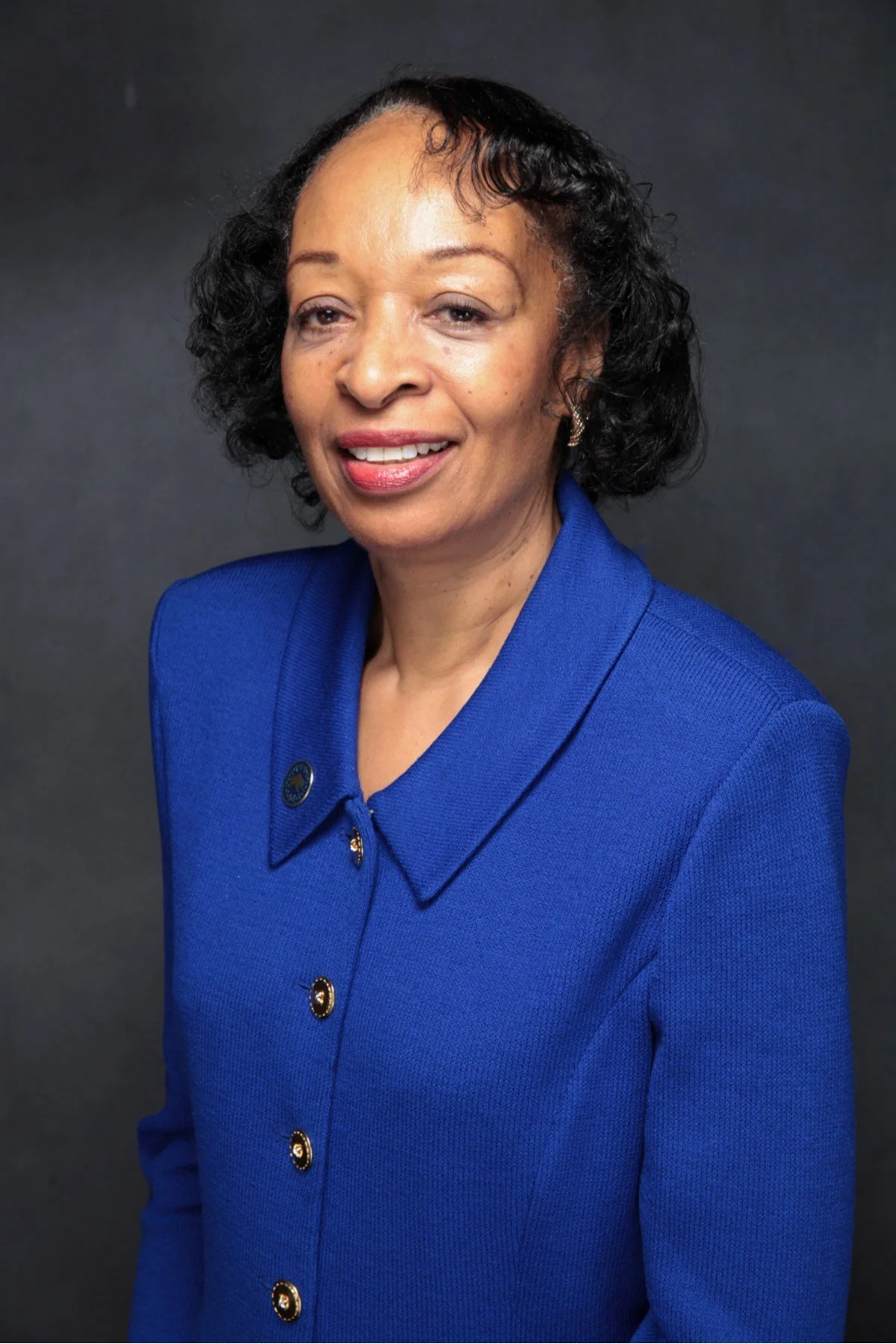
Ellen E. Grant, PhD, LCSW-R
The Black Women’s Health Study(BWHS) just had its 30th year anniversary(2025). Located at Boston University, this important study was born of the need to understand why Black women’s health outcomes weren’t faring as well as other majority members. It was found that Black women were the last to be entered into any health research studies if they were included at all.
Researchers at Boston University undertook an exhaustive process of collecting enough data to present a proposal to the National Institute of Health for research funding. This funding was secured. The focused questionnaire was sent to various Black female organizations, including the Black Nurses Organization and Essence Magazine asking for women to answer the questionnaire and become a research participant in the focused study.
Reading Essence Magazine was in fact how I became interested enough to be one of the 59,000 research participants in this now closed project. In fact Western New York has approximately 1,300 participants.
Annually, each of us 59,000 participants respond to a questionnaire re our health status. This information is complied to determine other areas of health research that may need to be addressed in the Black female population.
Research topics and results are shared in many scientific research publications, presentations made at various professional conferences as well as with media. The research topics include lung cancer, cognitive health including dementia, sickle cell, inflammatory bowel disease, hypertension, preterm birth as well as many others impacting Black women’s health.
Recent research results were shared at the American Society of Clinical Oncology Annual Meeting; San Antonio Breast Cancer Symposium; Society for Epidemiological research re Depressive symptoms in relation to breast cancer mortality; Women’s Health Symposium, Roswell Park Comprehensive Cancer Center. Yours truly participated in the Roswell Park program as a presenter. This program had local women who are a part of the Black Women’s Health Study in attendance. They gave positive feedback on how they believe the BWHS has impacted them.
Here are some of the questions being investigated within the BWHS:
“Why does breast cancer occur more commonly among young Black women than among young white women?
Does exercise protect against the occurrence of breast cancer in Black women?
Does diet influence the occurrence of breast cancer in Black women? If so, what nutrients or foods?
Why does lupus occur more commonly in Black women?
Why does premature birth occur more commonly among Black babies?
Do repeated stressful experiences affect the occurrence of various illnesses in Black women?
What behaviors help to keep Black women healthy?”
These are just a few of the areas of research included by the BWHS. Also, BWHS has had webinars of interest. These have included-“Healthy Aging, Mind, Body & Soul”; “Covid 19”, among others.
The BWHS has highlighted the still continuing need to look at Black Women’s maternal health as an example of many other research topics to understand why premature births occur more often among Black babies.
One study that caught my attention was entitled “Listen to the Whispers before They Become Screams: Addressing Black Maternal Morbidity and Mortality in the United States”
By lead researcher, Anuli Njoku.
“The Centers for Disease Control and Prevention (CDC) reports that 50,000 women in the United States (U.S.) suffer from pregnancy complications annually, but that Black women are at least three times more likely to die due to a pregnancy-related cause when compared to White women.” (https://www.cdc.gov/reproductivehealth/maternalinfanthealth/severematernalmorbidity.html).
Also, the Center for Disease Control reports “In 2023, there were approximately 50.3 deaths pers 100,000 live births for Black women, compared to 14.5 for White women.
Many of us may recall what happened to tennis pro Serena Williams in her first pregnancy. She advised her doctor after she was admitted that she had a history of blood clots and asked about a heparin drip as part of her medical treatment. It took some insistence on her part to get the attention she needed as she began coughing and having great difficulty breathing.
This is just a cautionary measure for all of us to stay vigilant to ensure Black women receive the needed care during their pregnancy.
These statistics and stories underscore the urgency for continued research, advocacy, and action to address the health disparities faced by Black women. By listening to their experiences and prioritizing their well-being, we can work toward a future where every woman receives the care and respect she deserves, leading to not just safer pregnancies, but healthier lives for generations to come.
The BWHS will continue to be a cornerstone of important research for Black women’s health.